
The Suzuki DR-Z400S and DR-Z400SM lasted so long that they stopped feeling old and started feeling geological, one of those “If you know, you know” kinds of bikes. Carburettor, five-speed gearbox, a tiny LCD, and a design rooted in the turn of the millennium: owners accepted the dated parts because the bikes were simple, tough, useful, and bloody entertaining.
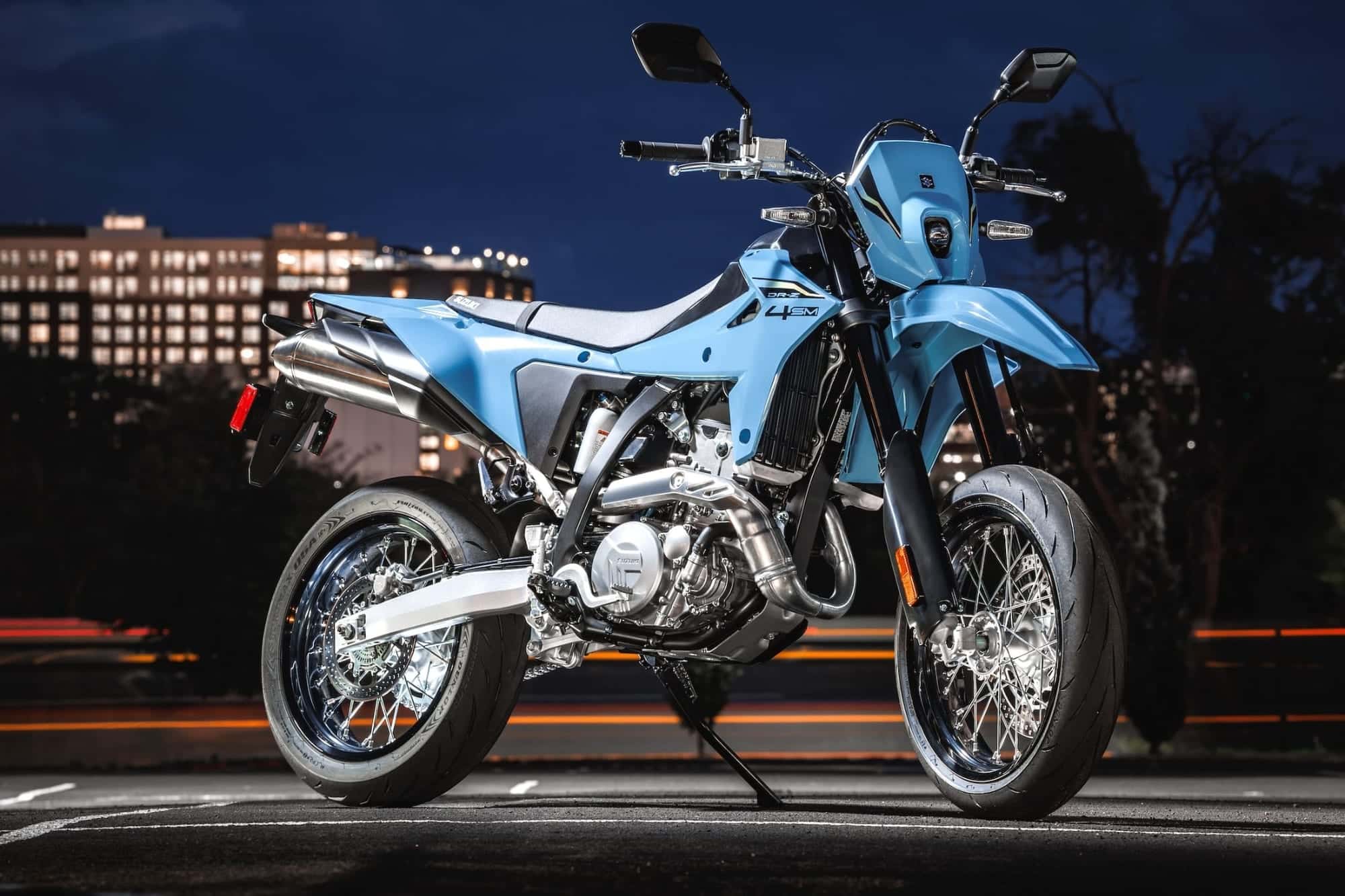
Then, in 2025, Suzuki introduced the DR-Z4S dual-sport and DR-Z4SM supermoto. Are these just the DR-Z400s with fuel injection screwed on? Kinda! But they have a revised engine, a new frame, ride-by-wire, riding modes, traction control, switchable ABS, LED lighting, and modern suspension. Still, Suzuki kept the 398 cc capacity and five-speed gearbox, while curb mass and price both went up, as they always do.
That makes the new pair easy to misunderstand. They are much more modern than their predecessors, less extreme than competition-derived enduros, and more expensive than several quicker-on-paper rivals. This guide explains the engineering, the difference between the S and SM, the value proposition, and who should actually buy either one.
Short version: the DR-Z4S and DR-Z4SM are for riders who want a real dirt-bike-shaped chassis, friendly road manners, long service intervals, and useful electronic safety nets without the intensity of a race enduro. The S is the better all-surface tool; the SM is the sharper road toy. Neither is the obvious bargain, and neither gained the sixth gear many DR-Z owners wanted, and nobody will be cross if you look at KTM and say “yo”.
Are you obsessed with motorcycles?
Well, I am. That’s why I created this site — as an outlet. I love learning and sharing what others might find useful. If you like what you read here, and you’re a fraction as obsessed as I am, you might like to know when I’ve published more. (Check the latest for an idea of what you’ll see.)
Contents
- DR-Z4S vs DR-Z4SM
- What changed from the DR-Z400S and DR-Z400SM
- The new engine—and the old five-speed question
- Electronics and rider aids
- What is a supermoto? An ELI5
- What is special about the DR-Z4 pair
- Why they cost more than expected
- The obvious alternatives
- Maintenance and ownership
- Verdict
Suzuki DR-Z4S vs DR-Z4SM: same same but different
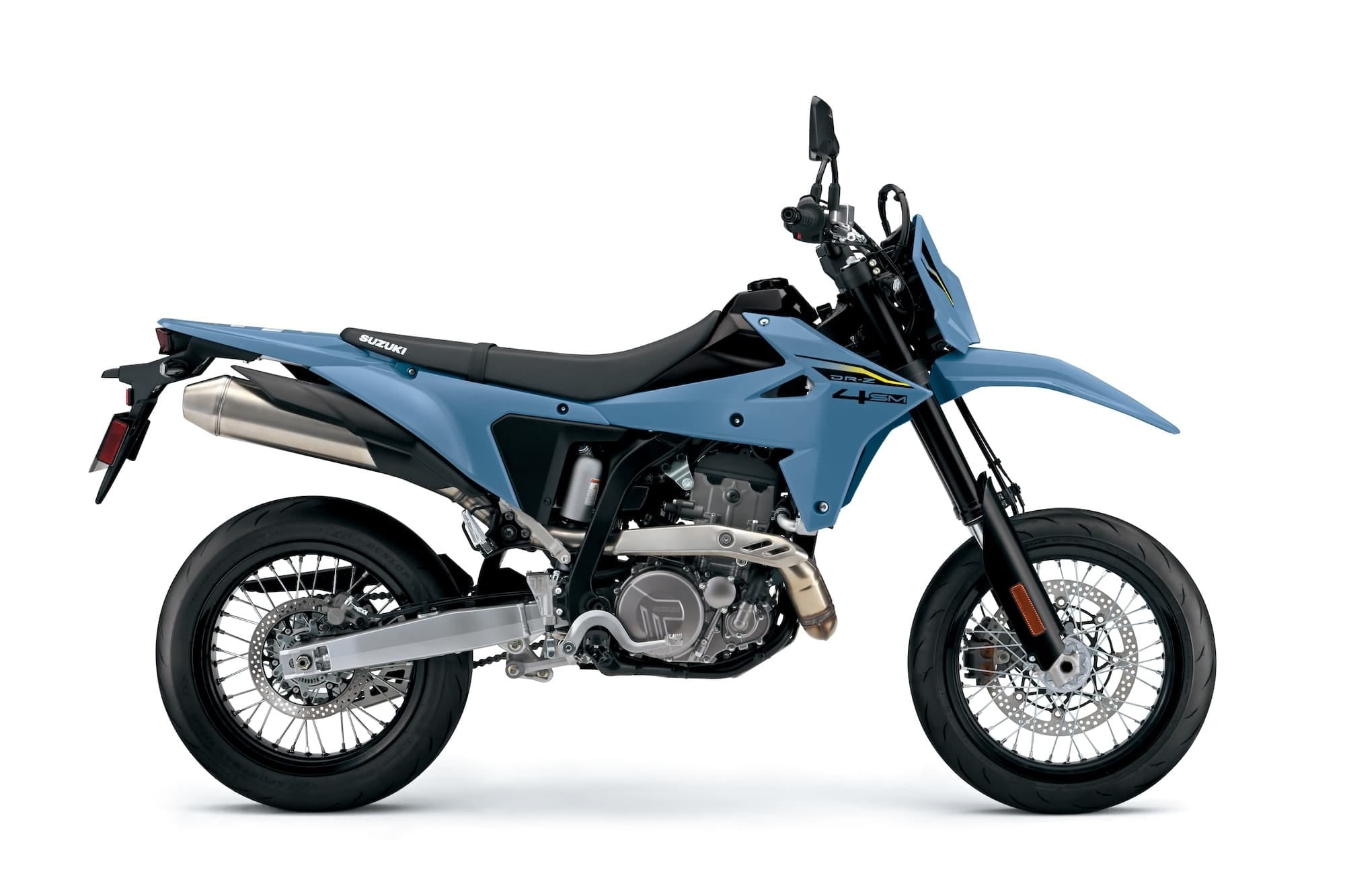
They look similar to the uninitiated, but sit on one and you’ll see the difference. The two DR-Z4s share an engine, gearbox, main frame, 8.7 L (2.3 US gal) fuel tank, electronics package, and basic bodywork. The difference is what happens where rubber, brakes, and suspension meet the ground.
| Specification | DR-Z4S | DR-Z4SM |
|---|---|---|
| Purpose | Road-legal dual-sport | Road-focused supermoto |
| Wheels | 21-inch front / 18-inch rear, tube-type | 17-inch front / 17-inch rear, tube-type |
| Tyres | IRC GP-410 dual-purpose | Dunlop Sportmax Q5A road tyres |
| Suspension travel | 280 mm front / 296 mm rear | 260 mm front / 277 mm rear |
| Front brake | 270 mm disc | 310 mm disc |
| Seat height | 920 mm (36.2 in) | 890 mm (35.0 in) |
| Ground clearance | 300 mm (11.8 in) | 260 mm (10.2 in) |
| Curb mass | 151 kg (333 lb) | 154 kg (340 lb) |
| ABS choices | Both on; rear off; or both off | Both on; or rear off |
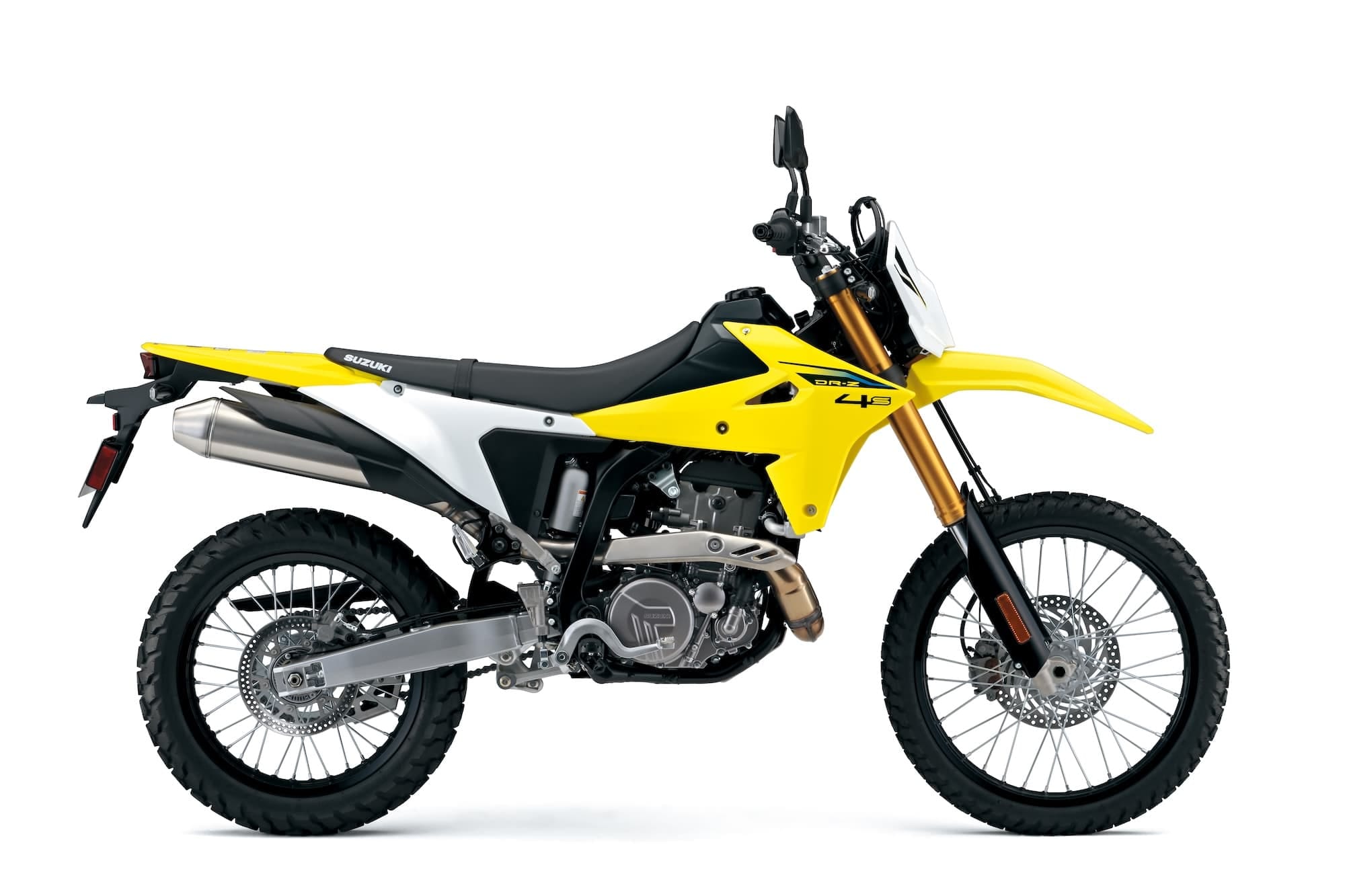
Choose the DR-Z4S if rocks, ruts, sand, forest roads, or real trail work are part of the plan. Its large front wheel rolls over obstacles more easily; the extra travel and clearance give it room to absorb bad ground; and front ABS can be disabled when a loose descent requires the front tyre to dig in.
Choose the DR-Z4SM if the bike will live on asphalt. Its smaller wheels reduce steering effort, its road tyres provide far more pavement grip, and its 310 mm front disc gives the front brake more leverage. It is lower, but it is not a low motorcycle. Both versions are narrow at the seat, which makes their numbers less intimidating than a wide adventure bike of the same height.
What changed from the DR-Z400S and DR-Z400SM?
“Fuel-injected DR-Z400” is an understandable summary, but incomplete. While the bore and stroke are familiar, almost everything else has been reconsidered.
| Area | DR-Z400 generation | DR-Z4 generation | Why it matters |
|---|---|---|---|
| Fueling | 36 mm Mikuni carburettor | 42 mm ride-by-wire fuel injection | Automatic altitude and temperature compensation; enables modes and traction control |
| Engine internals | Original head, piston, cams, and valve hardware | Revised head, piston, cams, titanium intake valves, hollow sodium-filled exhaust valves | Cleaner combustion and broader, more controlled delivery while meeting current emissions rules |
| Clutch | Conventional cable clutch | Suzuki Clutch Assist System with slipper function | Lighter lever effort and less rear-wheel hop on abrupt downshifts |
| Frame | Older steel frame and subframe layout | New twin-spar steel frame, aluminium subframe and swingarm | New stiffness balance and packaging, not merely a restyle |
| Electronics | No ABS, traction control, or ride modes | ABS, three power modes, multi-mode traction control | More control in rain and on loose surfaces |
| Lighting and dash | Halogen headlight; basic LCD | LED lighting; new LCD with gear position and mode status | Better information and lower electrical load, although still no TFT or phone integration |
| Fuel capacity | 10.0 L (2.6 US gal) | 8.7 L (2.3 US gal) | Range remains a limitation, and the new tank is smaller |
| Transmission | Five-speed | Five-speed | The most-requested change did not happen |
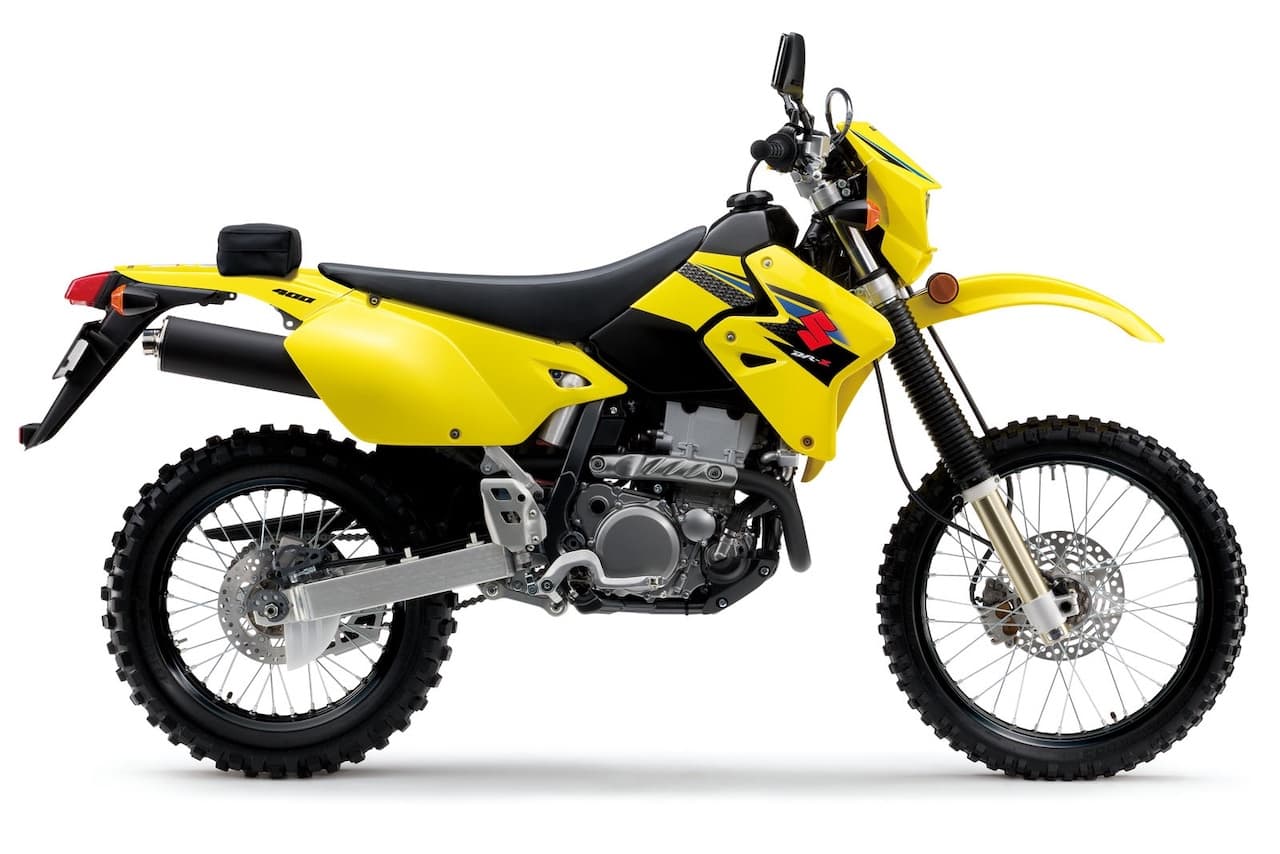
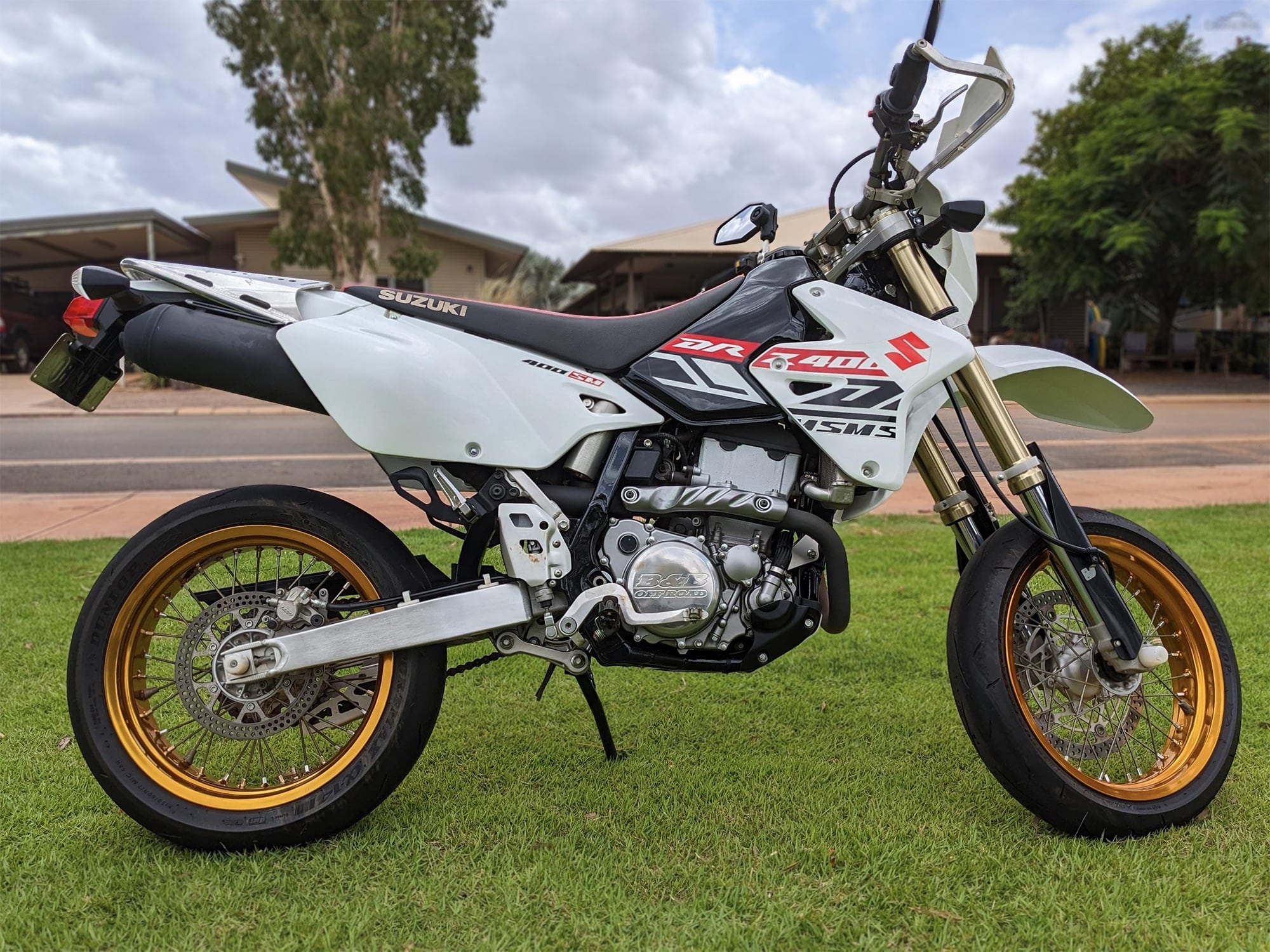
The numbers also moved in less welcome directions. The S gained 7 kg (15 lb), rising from 144 to 151 kg curb. The SM gained 8 kg (18 lb), from 146 to 154 kg. The DR-Z4S seat is 15 mm (0.6 in) lower than the old S, while the SM stays at 890 mm (35.0 in). Ground clearance is unchanged for both. Eh, still, they’re both pretty light.
So the new bike is easier to start, cleaner, safer, more consistent at altitude, and more sophisticated, with only a slight weight penalty, and still no cruising gear.
The new engine and the old five-speed question
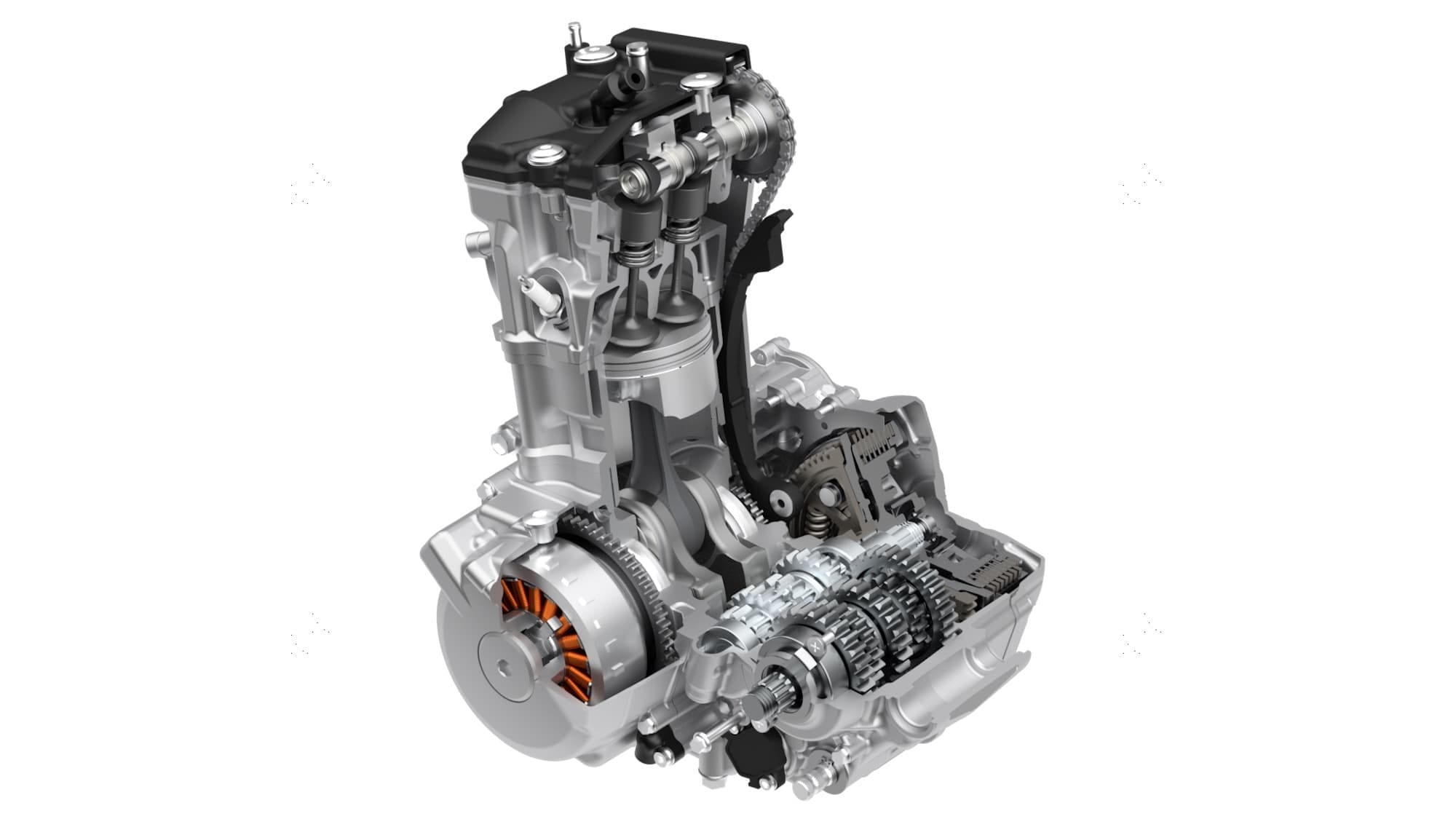
The 398 cc, liquid-cooled DOHC single still measures 90.0 × 62.6 mm, but Suzuki did more than replace the carburettor. Compression changes from 11.3:1 to 11.1:1. The cylinder head, combustion chamber, piston, crankcases, cams, airbox, exhaust, clutch, and generator hardware are new or revised. The claimed peak is 28 kW (38 PS) at 8,000 rpm and 37 Nm (27 lb-ft) at 6,500 rpm.
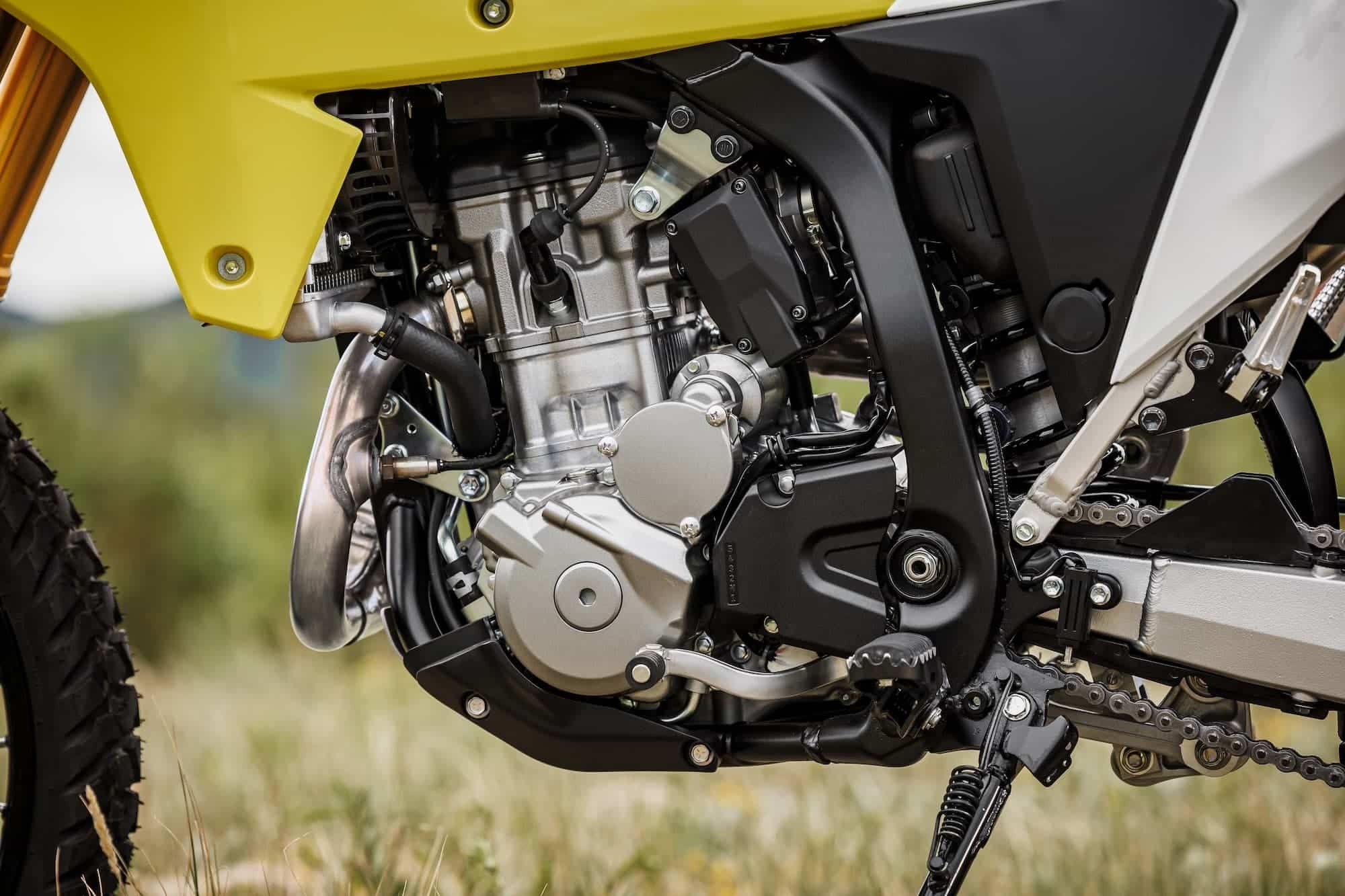
That is not a headline-grabbing power figure. The point is a broad, tractable curve and clean response, not a dramatic increase in maximum output. Ride-by-wire also lets Suzuki shape the throttle opening electronically, so the three riding modes can change response without changing the engine’s ultimate capability.
Then there is the five-speed gearbox. A sixth ratio would not automatically make the engine faster; it would let Suzuki keep close lower gears for trails while adding a taller, calmer top gear for highway work. Suzuki instead revised the existing five ratios and final gearing. That preserves familiar simplicity, but it leaves the same basic compromise: gear it short for technical dirt and it feels busy on fast roads; gear it tall for the highway and first gear becomes less friendly off-road.
For short motorway hops, the five-speed is an annoyance rather than a deal-breaker. For riders who want one bike to connect distant trail systems at sustained highway speed, it is the specification that deserves the most thought before purchase.
Electronics: useful, restrained, and dirt-aware
Suzuki calls the package the Suzuki Intelligent Ride System. The name is grander than the hardware, which is mostly a sensible set of tools:
- Three throttle-response modes: A is sharpest, B is middle, and C is softest. They do not create extra peak power.
- Traction control: two road intervention levels, a gravel-oriented G mode that permits more spin, and off.
- ABS: both models can disable rear ABS. The DR-Z4S can also disable front ABS, making it Suzuki’s first production motorcycle with a selectable front-and-rear ABS-off mode.
- Easy Start: a brief press of the starter button completes the starting sequence.
- LCD instruments: speed, fuel, gear position, ride mode, traction-control setting, trip data, and warning lamps.
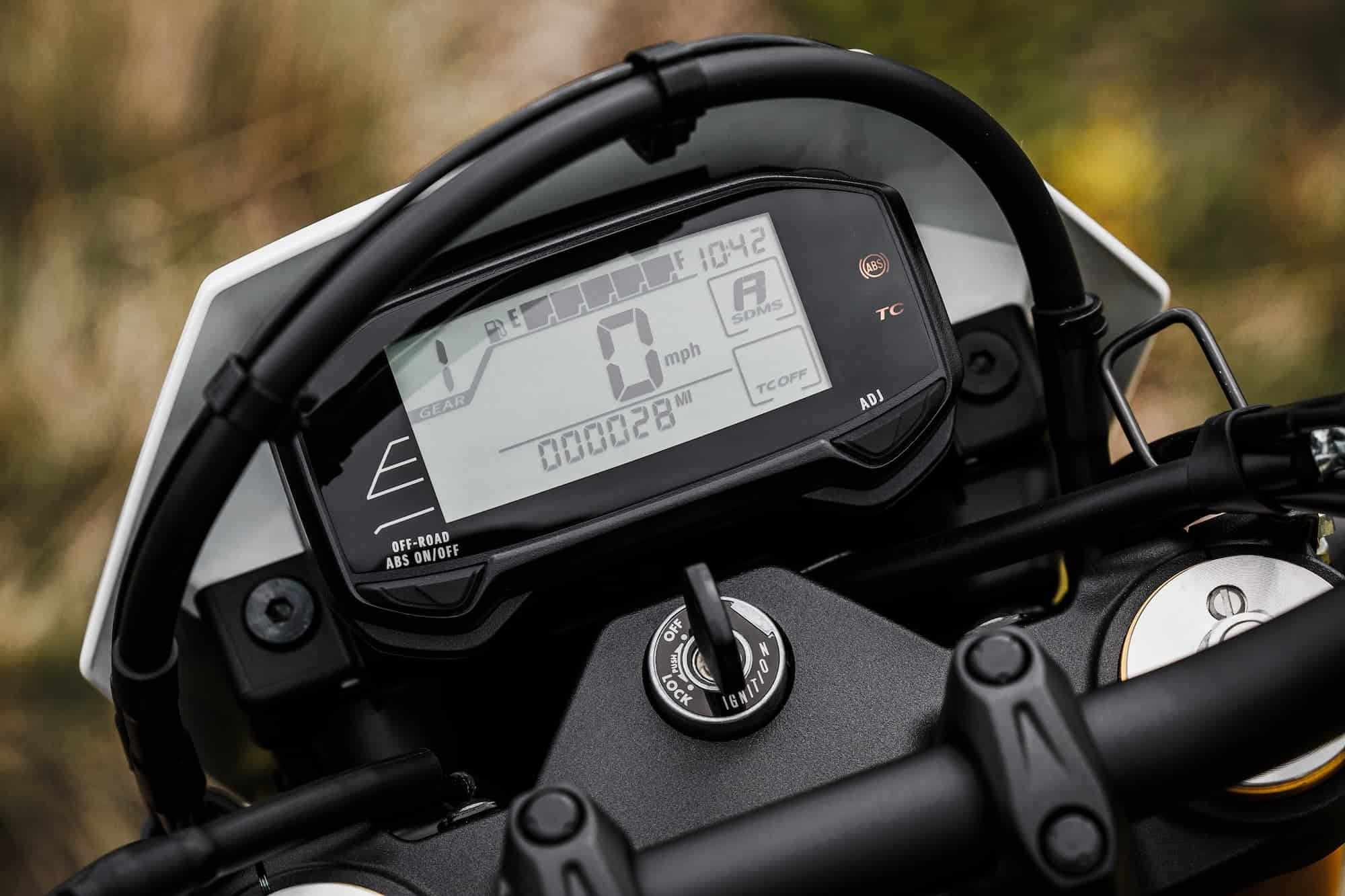
There is no colour TFT, navigation, Bluetooth, cruise control, quickshifter, or inertial measurement unit. That will look stingy beside a KTM 390. It also keeps the controls legible and the concept focused. The important dirt-bike question is not whether the screen has themes; it is whether the rider can choose the amount of wheel slip and braking intervention appropriate to the surface. Here, Suzuki did the useful work.
What is a Supermoto? An ELI5 for people who keep hearing that word and think they know but aren’t sure they do
Start with a dirt-bike-shaped motorcycle: tall seat, wide handlebar, narrow body, light steering, lots of suspension travel, and enough ground clearance to survive a bad landing.
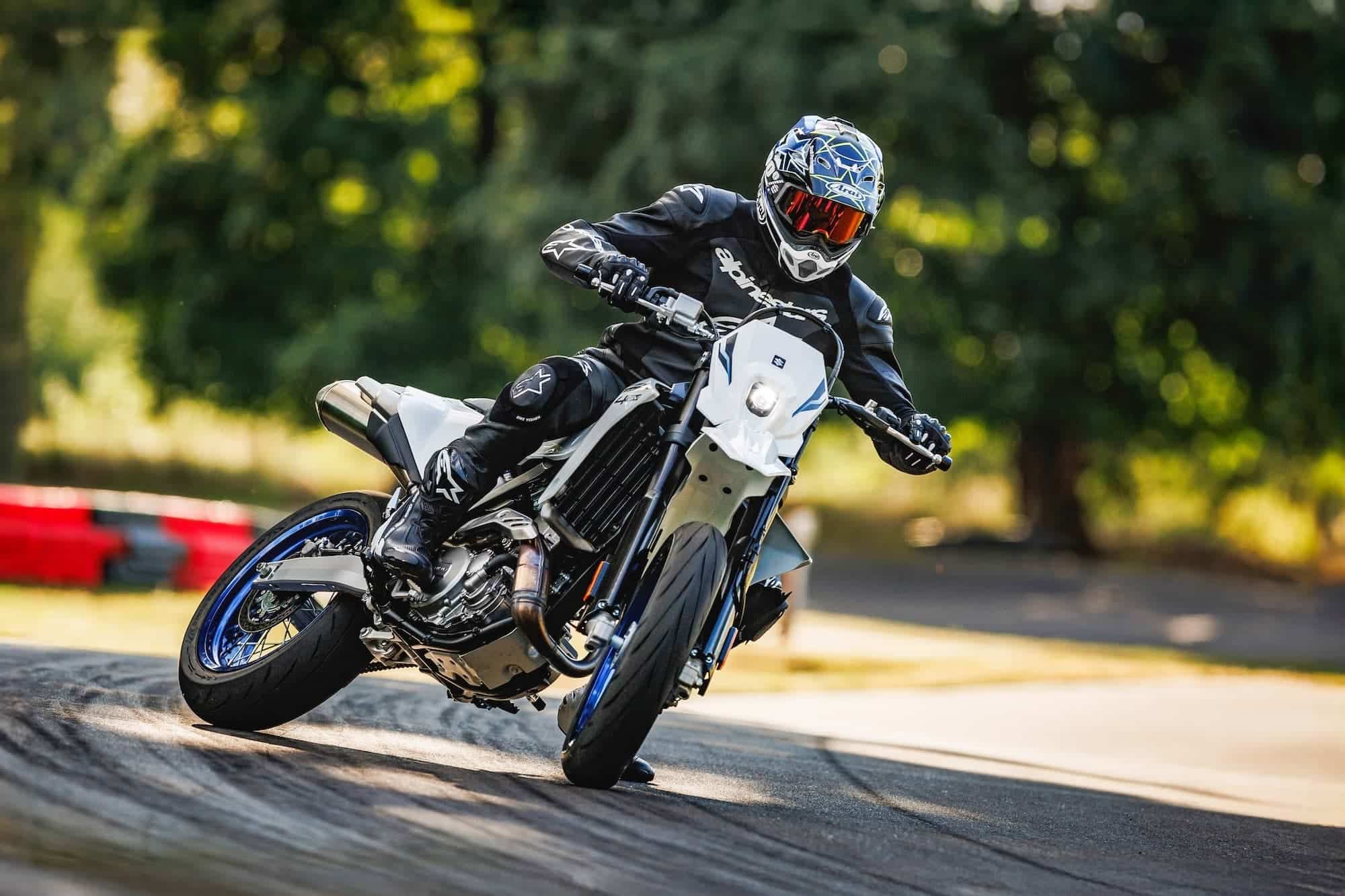
Now fit smaller 17-inch wheels, sticky road tyres, and a bigger front brake. Adjust the suspension for asphalt. You have the basic supermoto recipe.
To a five-year-old: it is a dirt bike wearing running shoes instead of hiking boots.
To the rider, the result feels different from a normal road bike. The upright position and wide bar give leverage. The tall chassis moves around beneath you. The narrow single-cylinder engine makes the bike easy to place. The 17-inch tyres turn quickly and grip hard. You do not need superbike speeds to load the suspension, use the brakes, or feel the machine working.
That does not mean every tall road bike is a literal competition supermoto. Larger machines such as the Ducati Hypermotard 698 Mono borrow the format and amplify it. The DR-Z4SM sits closer to the original idea: modest single-cylinder power, dirt-bike ergonomics, long travel, 17-inch wheels, and a strong front brake.
What is special or unique about the DR-Z4S and DR-Z4SM?
The DR-Z4 pair occupies a narrow middle ground that very few manufacturers serve.
- More substantial than a budget 300: the engine has more torque, the KYB suspension is fully adjustable, and the chassis has serious ground clearance and travel.
- Less demanding than a plated competition enduro: it is designed around ordinary road-bike ownership rather than race-derived service intervals.
- Two factory personalities: the S and SM are developed as a pair, so buyers do not have to convert a dual-sport with aftermarket wheels, brake hardware, and suspension guesses.
- Unusually flexible off-road electronics: the S can retain ABS, disable only the rear, or disable both ends; G-mode traction control allows useful rear-wheel spin without simply abandoning assistance.
- Mechanical familiarity under modern control: it remains a liquid-cooled 398 cc single with a cable-operated clutch and chain drive, but now starts and meters fuel like a current motorcycle.
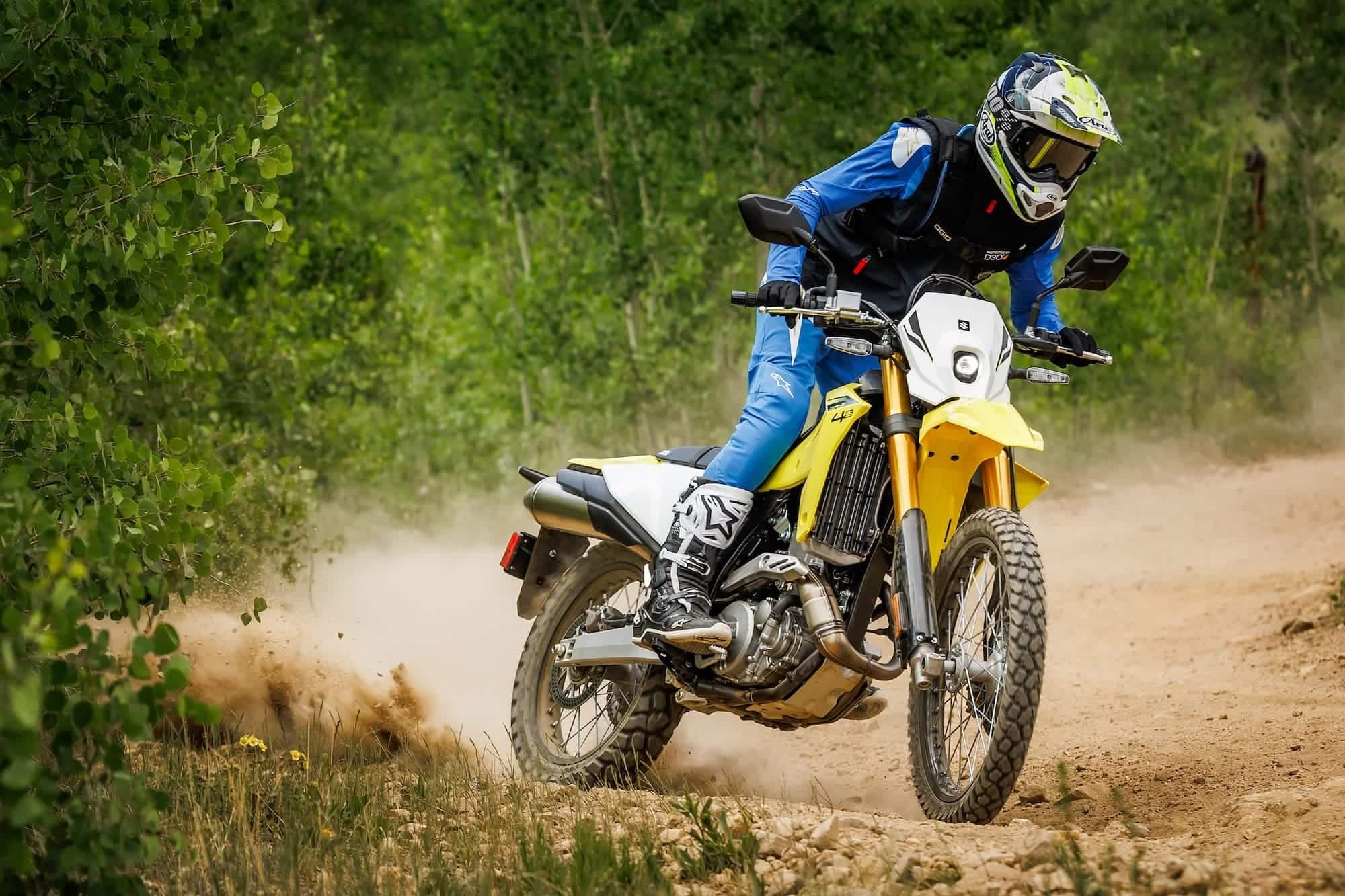
The unusual part is not one patent-box feature. It is the combination: Japanese dual-sport ownership, genuinely adjustable suspension, modern emissions and safety systems, and a choice between proper 21-/18-inch dirt wheels or proper 17-inch supermoto wheels.
Why does the DR-Z4 cost more than you expect (or more than you want)?
In the United States, both DR-Z4 models list at US$8,999. That price is jarring because the old DR-Z was mentally filed under “simple 400,” not “premium middleweight.” It also invites an unflattering showroom comparison:
| Model | Current US MSRP | Difference from DR-Z4 |
|---|---|---|
| Suzuki DR-Z4S / DR-Z4SM | US$8,999 | — |
| Suzuki DR-Z400S | US$7,199 | US$1,800 less |
| Suzuki DR-Z400SM | US$7,899 | US$1,100 less |
| KTM 390 Enduro R | US$6,049 plus freight | US$2,950 less before freight |
| KTM 390 SMC R | US$6,049 plus freight | US$2,950 less before freight |
| Kawasaki KLX300 | US$5,649 plus destination | US$3,350 less before destination |
| Kawasaki KLX300SM | US$6,049 plus destination | US$2,950 less before destination |
What are you paying for? There are real costs in the new model: an emissions-compliant engine with expensive valve hardware, a new frame and aluminium rear structure, fully adjustable KYB suspension, ABS hardware, a ride-by-wire throttle, traction control development, LED lighting, and global homologation. This is also a specialised platform sold in smaller volumes than a mainstream naked bike.
Suzuki has not published a bill of materials, so the low-volume and development-cost explanation is inference. What is not inference is that buyers receive much more hardware than before.
The awkward part is that price has risen more visibly than performance. The KTM 390s offer a sixth gear, a colour TFT, connectivity, and a claimed 33 kW (45 PS) for much less money. A Kawasaki KLX300 is substantially cheaper. The Suzuki’s case therefore cannot be “maximum specification per dollar.”
Its case is ownership: useful performance without competition-bike maintenance, fully developed S and SM versions, a broad dealer and parts ecosystem, and the possibility that this new DR-Z will prove as durable and mod-friendly as the old one. Reliability must be earned over time, however; the old DR-Z400’s reputation does not automatically transfer to a new ride-by-wire machine.
The obvious alternatives
DR-Z4S alternatives
| Model | Key numbers | Choose it over the Suzuki if… |
|---|---|---|
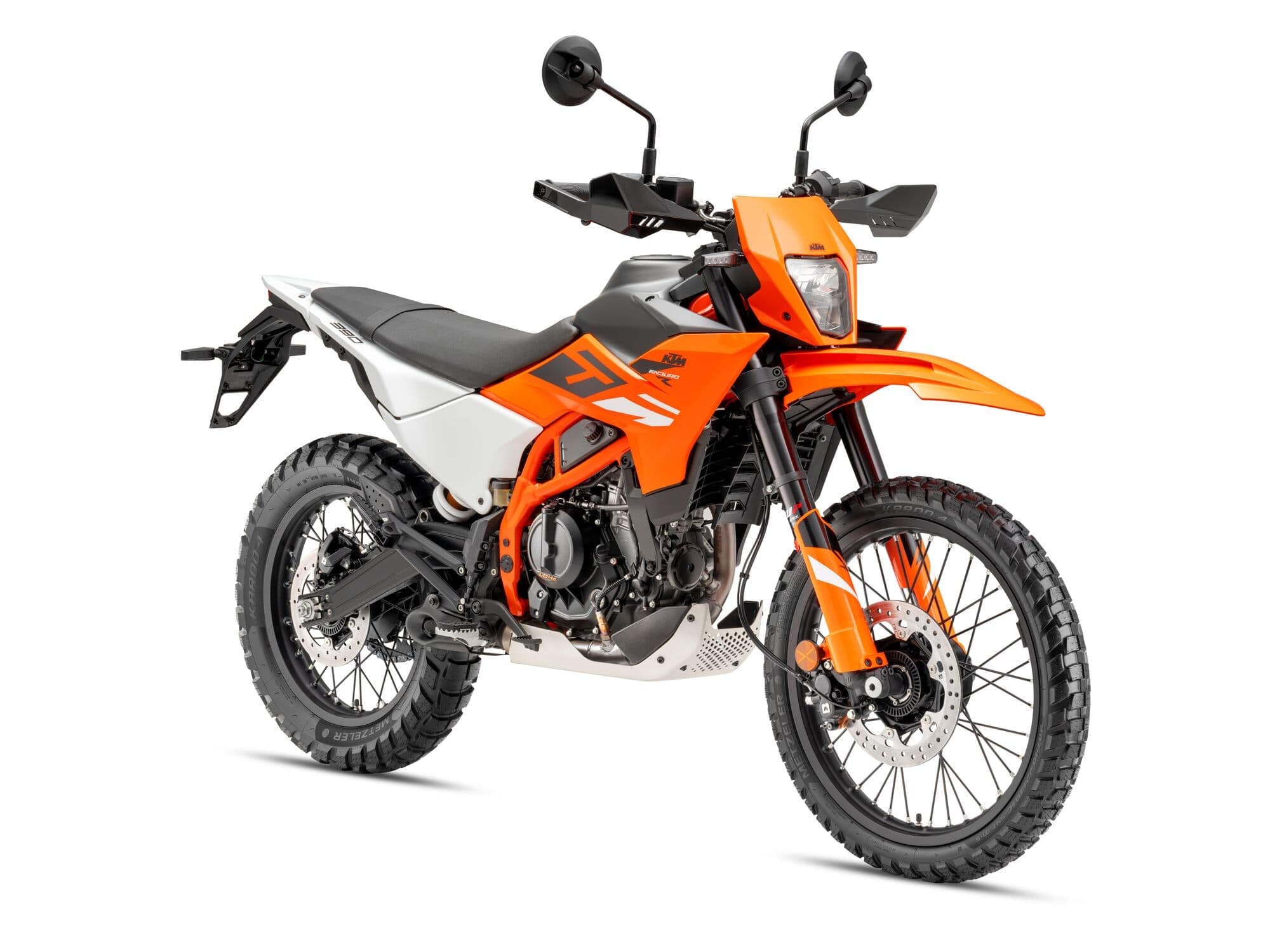
| KTM 390 Enduro R | 398.7 cc; 33 kW (45 PS); 39 Nm; 165 kg fully fuelled; six-speed; 230 mm travel | You want more power, a sixth gear, TFT/connectivity, and a dramatically lower price; accept more mass and less suspension travel. |
| Kawasaki KLX300 | 292 cc; about 18.6 kW (25 hp); 24 Nm; 137 kg curb; six-speed | Low mass, simplicity, and price matter more than torque, electronics, and fully adjustable suspension. |
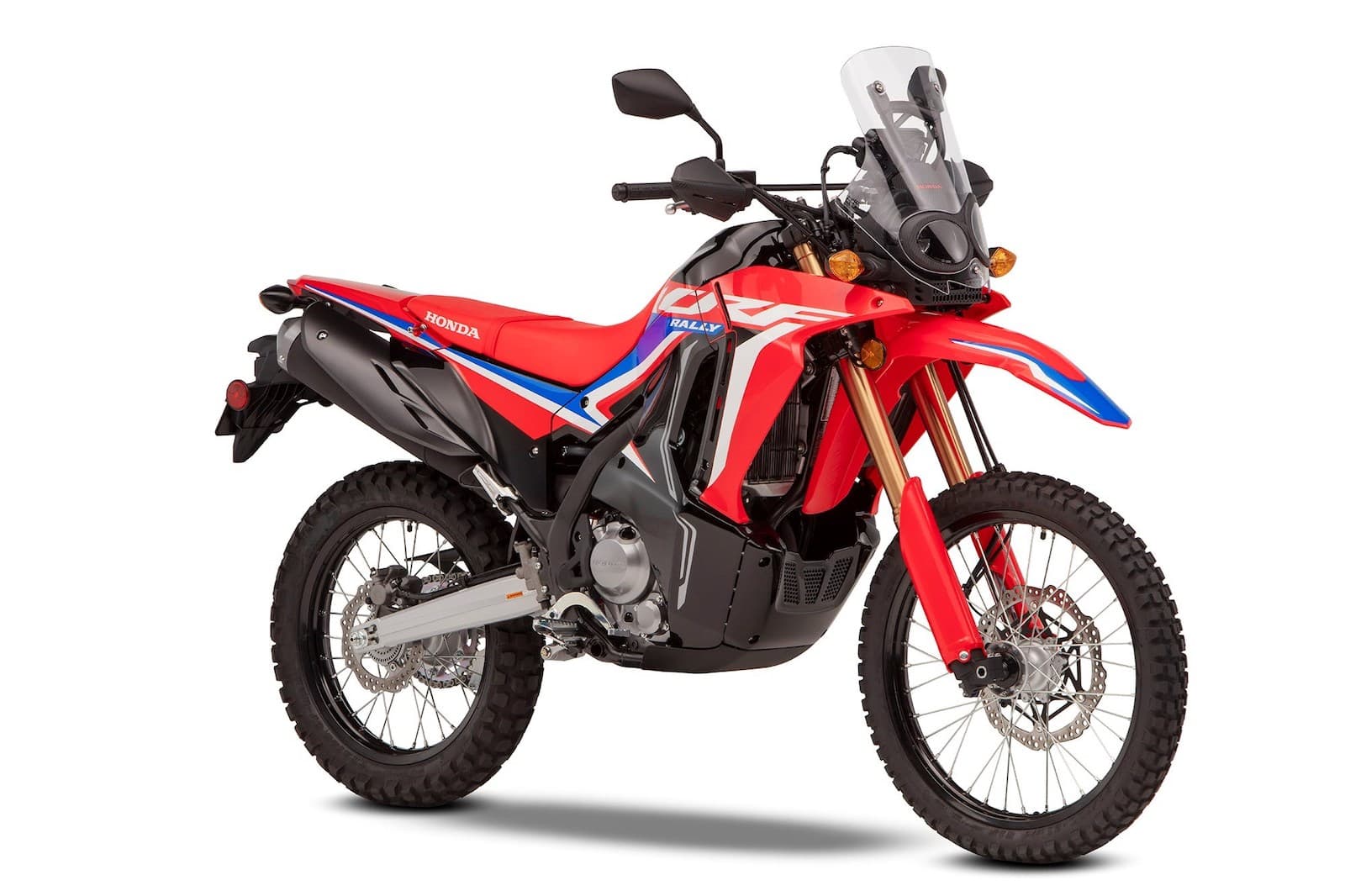
| Honda CRF300L | 286 cc; 141 kg curb; six-speed; 284 mm clearance | You want a friendly, economical first dual-sport and do not need the Suzuki’s engine strength or suspension specification. |
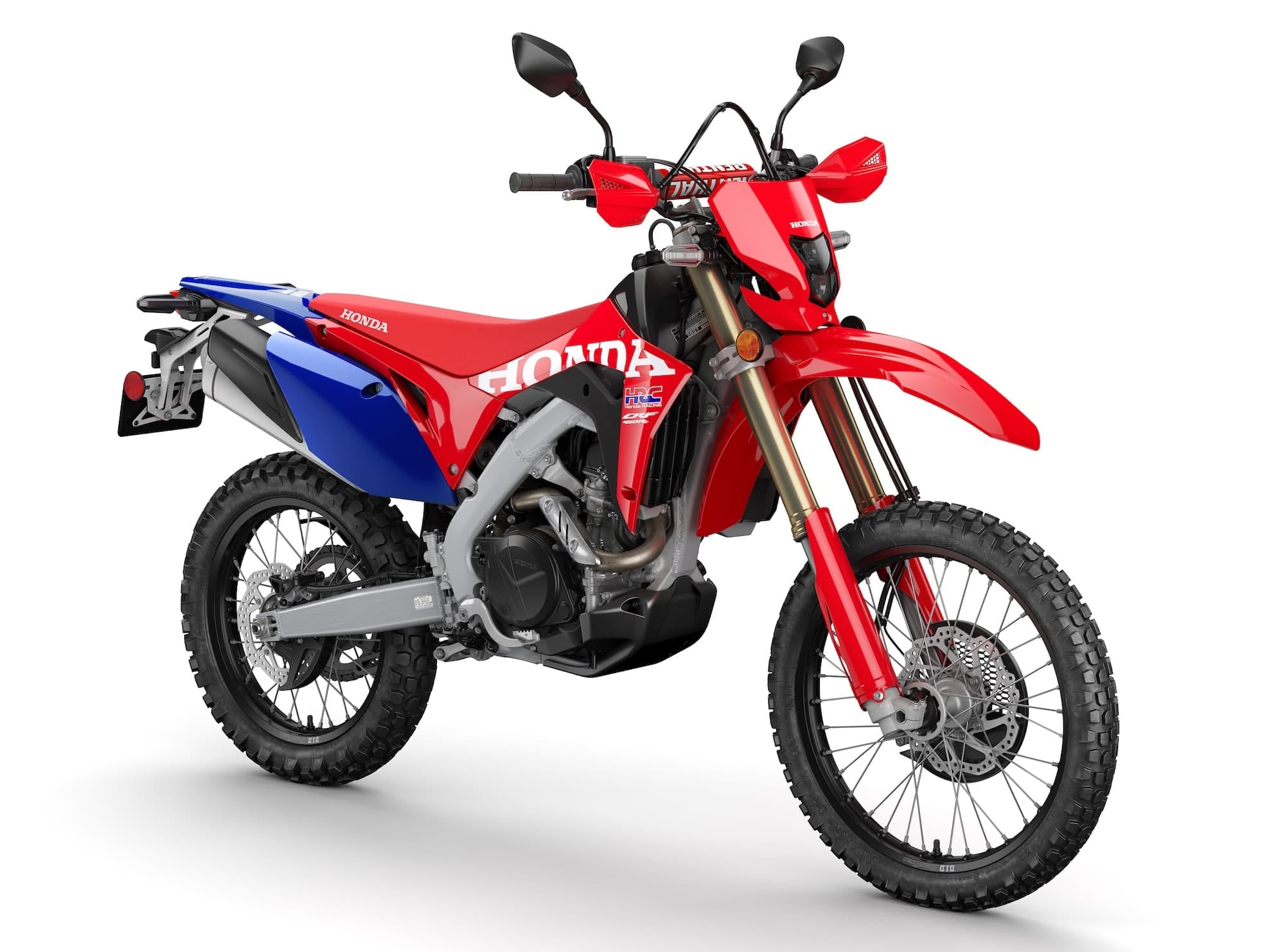
| Honda CRF450RL | 450 cc; 131 kg curb; six-speed; 945 mm seat | You are dirt-first, experienced, and willing to accept a much higher price and competition-derived maintenance demands for much lower mass and more performance. |
The DR-Z4S makes the most sense between the friendly 300s and the intense CRF450RL. The KTM 390 Enduro R attacks that same middle ground from the opposite direction: more road technology and power, less travel, more weight, and a remarkably aggressive price.
DR-Z4SM alternatives
| Model | Key numbers | Choose it over the Suzuki if… |
|---|---|---|
| KTM 390 SMC R | 398.7 cc; 33 kW (45 PS); 39 Nm; 161 kg fully fuelled; six-speed; 320 mm front disc | You want the strongest spec sheet, more power, richer electronics, and the best new-bike price. |
| Kawasaki KLX300SM | 292 cc; about 18.6 kW (25 hp); 24 Nm; 138 kg curb; six-speed | You want a light, approachable city supermoto and are happy to trade away torque and rider aids. |
| Used DR-Z400SM | 398 cc; carburettor; 146 kg curb; five-speed | You want the old bike’s vast modification knowledge base and can tolerate cold-start, altitude, emissions, and age-related compromises. |
| KTM 690 SMC R / Husqvarna 701 Supermoto | Much more power; roughly 690 cc; six-speed | You want serious performance and can accept a higher purchase price, stronger reactions, and a larger motorcycle. |
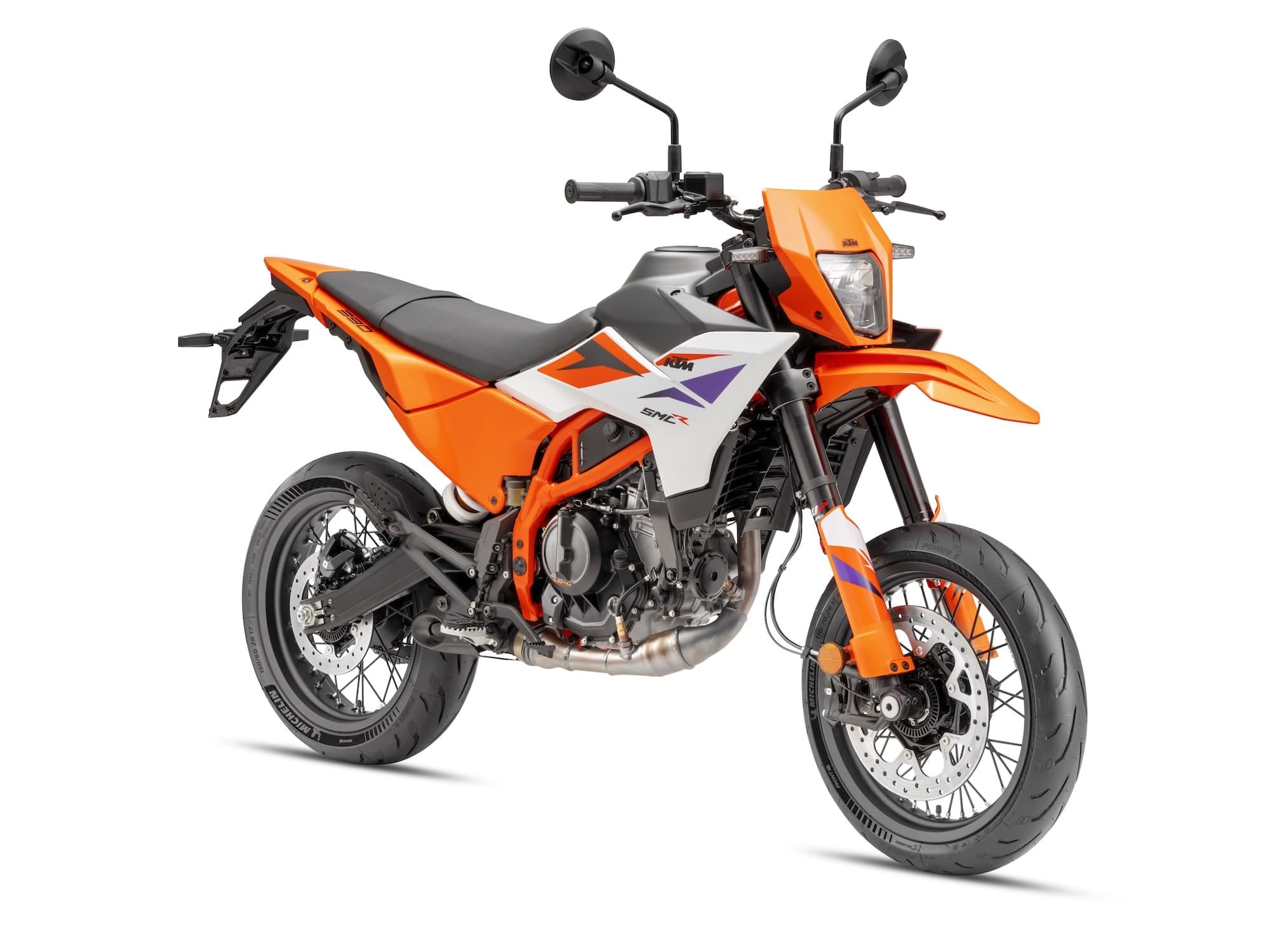
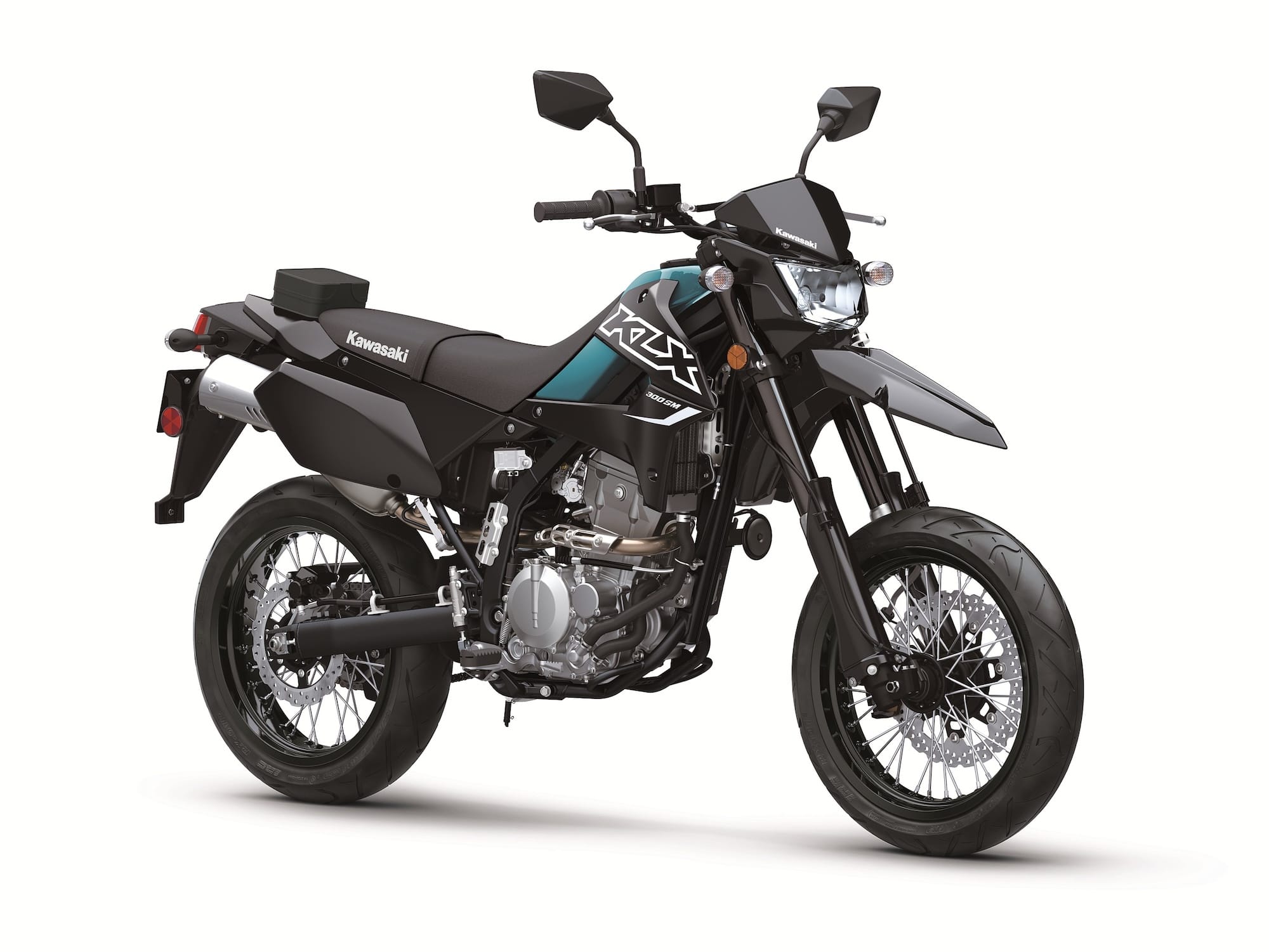
The KTM 390 SMC R is the most direct challenge. It is cheaper and more powerful, with the sixth gear and colour dash Suzuki omitted. The DR-Z4SM counters with less mass, more suspension travel, the established appeal of Suzuki’s 400-class single, and a simpler presentation. That is a preference argument, not a numerical victory.
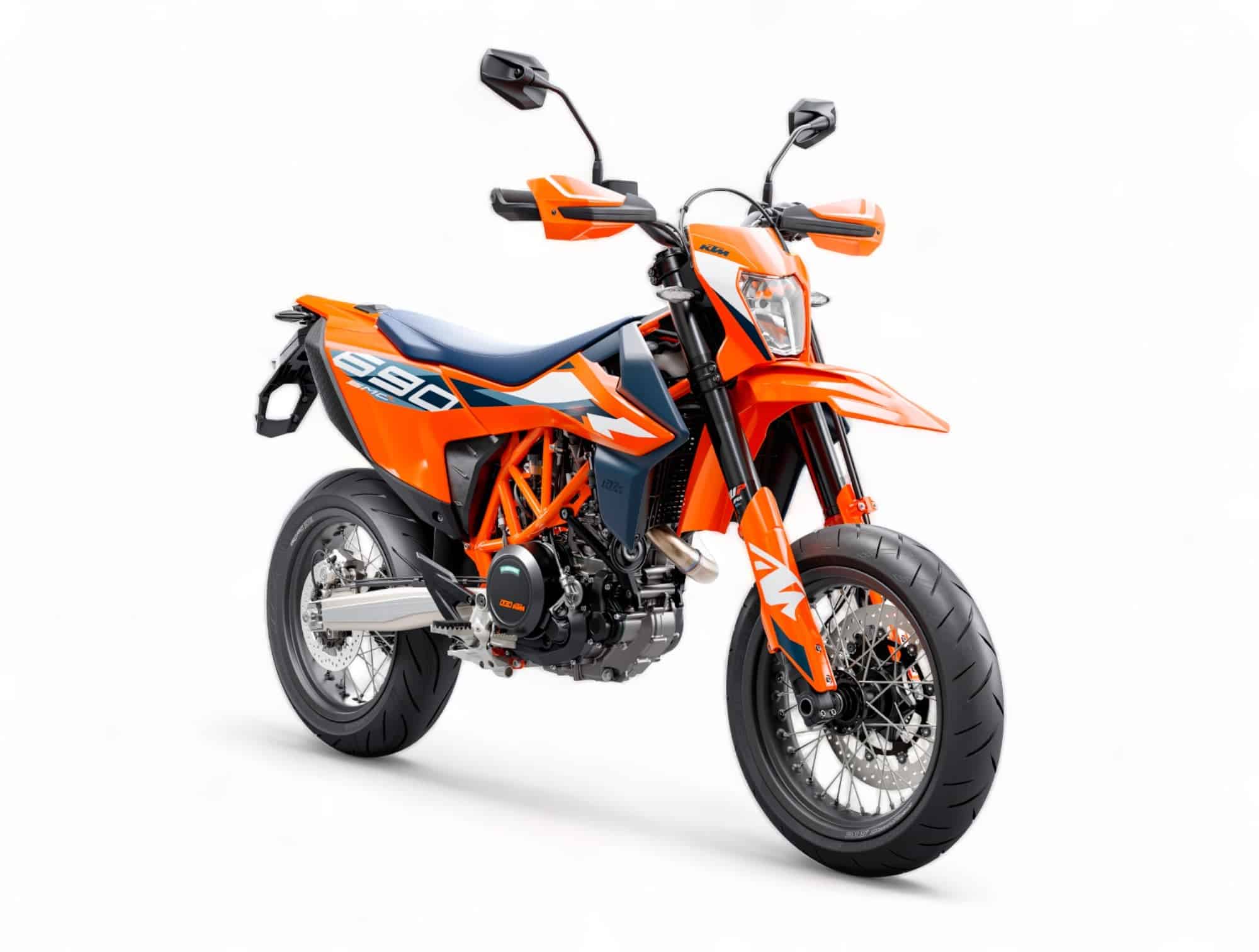
If none of these narrow machines fit the travel brief, a small adventure bike may be the more honest answer. Our compact adventure motorcycle comparison covers options with larger tanks, windscreens, luggage provisions, and better highway comfort.
Maintenance and ownership reality
For normal road use, the DR-Z4 schedule calls for engine oil and filter replacement every 6,000 km (3,750 mi) and valve-clearance inspection every 24,000 km (15,000 mi). The full Suzuki DR-Z4S and DR-Z4SM maintenance schedule lists time-based items, fluids, torque figures, and inspection points.
Those intervals are a major part of the bike’s identity. A CRF450RL or plated competition enduro may be lighter and faster in the dirt, but it asks the owner to think about maintenance in a very different way.
Any dual-sport schedule also needs context. Dust, water crossings, mud, low-speed clutch work, repeated drops, and chain contamination can demand attention far sooner than the road-use table. Inspect and clean the air filter after dusty rides, keep the chain adjusted and lubricated, check spokes, and treat the stated intervals as the outer framework rather than permission to ignore a dirty motorcycle.
Long-distance limitations remain obvious: a small 8.7 L tank, no wind protection, narrow seats, and a five-speed gearbox. Luggage and fuel solutions will arrive from the aftermarket, as they did for the old model, but the DR-Z4 is still a dual-sport or supermoto, not a miniature touring bike.
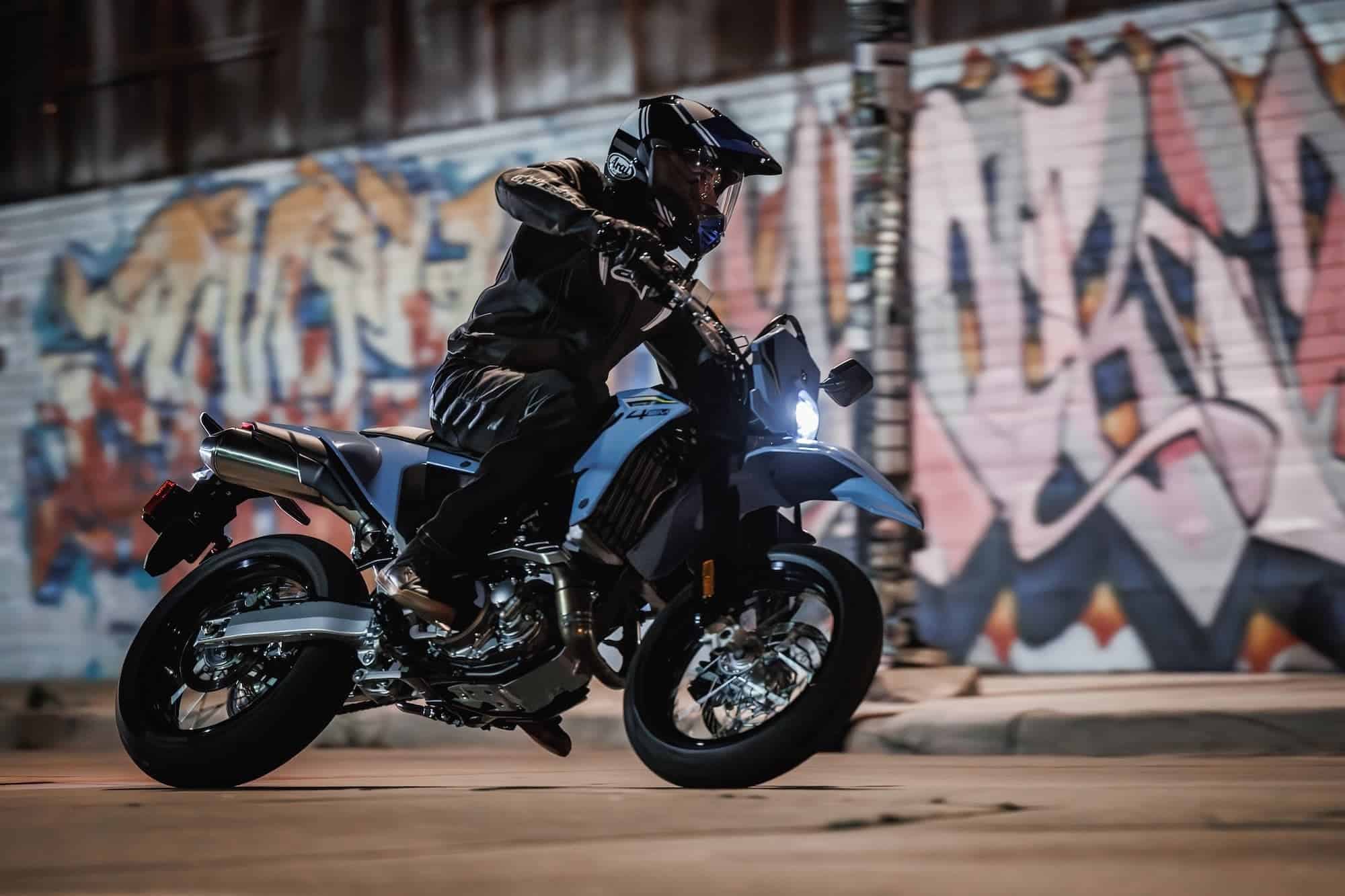
Verdict: Somewhat modern, still deliberately a DR-Z
The DR-Z4S and DR-Z4SM are conservative by most accounts. Suzuki didn’t chase dyno sheets or reimagine the bikes as adventure tourers, but rather limited itself to modernising the combustion system, chassis, suspension, brakes, lighting, and electronics while preserving the narrow, tall, single-cylinder idea that made the DR-Z useful.
The DR-Z4S is still the versatile choice for mixed surface riding, especially if adjustable suspension, switchable front ABS, and a tractable 400 matter more than low purchase price. The DR-Z4SM is the more emotional choice, but probably one less attractive for most — it’s a bike with huge leverage, long suspension, road grip, and a strong front brake that makes ordinary corners interesting.
Skip either one if you judge value primarily by power, screen size, or gearbox count. The KTM 390 pair wins that argument. Choose a KLX300 or CRF300L if price, approachability, and low mass matter more than torque and suspension specification. Look at a CRF450RL or 690/701 if maximum dirt or road performance is the goal and the running-cost consequences are acceptable.
The new DR-Zs are expensive because they are no longer cheap old motorcycles. Whether they are worth it depends on whether you wanted a completely different 400—or exactly this familiar kind of motorcycle, finally brought into the present.