
I went into a Harley-Davidson dealer to look at a Fat Bob. Visually, that was the bike that grabbed me: squat, wide and slightly ridiculous in a way that works.
Then I sat on the Low Rider S. Uh oh. The mid controls put my knees at a natural angle, the tall bar came back to meet me, and the seat held me in place without folding me in half. I felt at home before I had even started it.
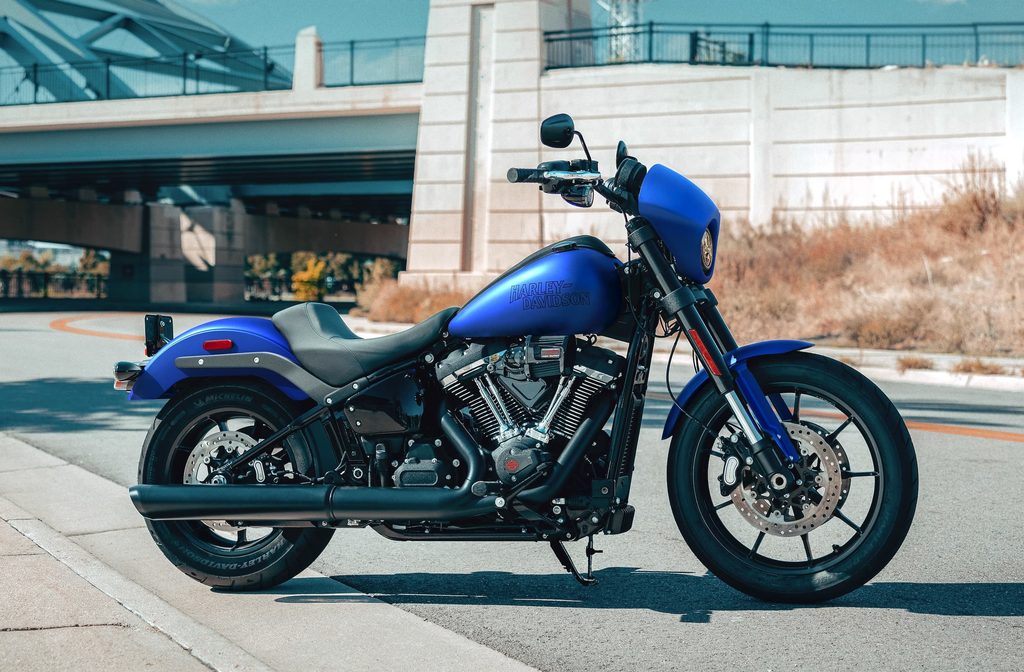
That led to the dangerous part: wondering which Harley-Davidson Low Rider I could reasonably afford. The name has been around since 1977, but it has moved through four frame families, four major Big Twin engine designs and a slightly bewildering collection of codes: FXS, FXRS, FXLR, FXDL, FXDLS, FXLRS and FXLRST.
This guide sorts those bikes into generations, explains the engine and torque changes, and says which versions make sense as used buys. It also compares the Low Rider with Harley’s other fast or sporty cruisers, including the Fat Bob, FXDR, Night Rod, Street Bob and Sportster S.
Short answer: For an air-cooled Harley you can ride hard without taking on a restoration project, the 2022-2024 Low Rider S is the sweet spot. It has the 1,923 cc (117 cu in) engine, taller rear suspension, dual front brakes and the gauge where you can see it. Buy the ST if you will use the fairing and bags. The 2025-on bikes add a stronger 85 kW (114 hp) engine and modern rider aids, but they cost more. If you specifically want a Dyna, the 2014-2017 FXDL is the sensible regular model; the 2016-2017 FXDLS is the desirable, expensive one.
Are you obsessed with motorcycles?
Well, I am. That’s why I created this site — as an outlet. I love learning and sharing what others might find useful. If you like what you read here, and you’re a fraction as obsessed as I am, you might like to know when I’ve published more. (Check the latest for an idea of what you’ll see.)
Harley-Davidson Low Rider Generations in Brief
The Low Rider’s family tree has overlaps. Harley sold the old four-speed FXS beside the new FXR-chassis bikes in the early 1980s, and some markets kept a Low Rider when the main US range did not. The cleanest way to understand the line is by chassis and engine.
| Years | Model and code | Chassis and engine | What changed for the rider |
|---|---|---|---|
| 1977-1982 | FXS Low Rider | Four-speed FX frame; 1,207/1,337 cc Shovelhead | The original low-seat, twin-disc factory custom. Raw, low and now firmly a classic. |
| 1983-1985 | FXSB Low Rider | Four-speed FX frame; 1,337 cc Shovelhead | Belt final drive cut routine chain work, but the basic old-school experience stayed. |
| 1982-1994 | FXRS family and FXLR Low Rider Custom | Rubber-mounted FXR frame; Shovelhead, then 1,340 cc Evolution | A stiffer frame, five-speed gearbox and rubber mounting made a Low Rider that could be ridden farther and cornered harder. |
| 1993-1998 | FXDL Dyna Low Rider | Dyna frame; 1,340 cc Evolution | The Dyna replaced the FXR with a cheaper frame while keeping twin external shocks and a rubber-mounted engine. |
| 1999-2006 | FXDL/FXDLI Dyna Low Rider | Dyna frame; 1,450 cc Twin Cam 88 | More torque and a more modern engine. Fuel injection became optional in 2004 and standard for 2006. |
| 2007-2009 | FXDL Dyna Low Rider | Dyna frame; 1,584 cc Twin Cam 96 | Standard injection, a six-speed gearbox and more low-rev pull. Japan kept the FXDL through 2013. |
| 2014-2017 | FXDL Dyna Low Rider | Dyna frame; 1,690 cc Twin Cam 103 | The mainstream return brought adjustable ergonomics, dual front discs and the strongest regular Dyna Low Rider. |
| 2016-2017 | FXDLS Dyna Low Rider S | Dyna frame; 1,801 cc Twin Cam 110 | The first S model added the factory hot-rod engine, firmer suspension, ABS and blacked-out West Coast styling. |
| 2018-2020 | FXLR Softail Low Rider | Softail frame; 1,745 cc Milwaukee-Eight 107 | Much stiffer and lighter than the Dyna, with a counterbalanced engine and hidden monoshock. The base bike had only one front disc. |
| 2020-2021 | FXLRS Low Rider S | Softail frame; 1,868 cc Milwaukee-Eight 114 | More torque, an inverted fork, dual front discs, steeper steering and a taller bar. |
| 2022-2024 | FXLRS S and FXLRST ST | Softail frame; 1,923 cc Milwaukee-Eight 117 | More torque, taller rear suspension and a visible handlebar gauge. The ST added a frame-mounted fairing and hard bags. |
| 2025 onward | FXLRS S and FXLRST ST | Softail frame; 1,923 cc Milwaukee-Eight 117 H.O. | More top-end power, ride modes, cruise control, traction control, cornering ABS, TPMS and full LED lighting. |
The biggest breaks are 1982, 1993 and 2018. Those are frame changes, not colour-and-sticker updates. The 2020, 2022 and 2025 revisions then turned the Softail Low Rider from a retro cruiser into Harley’s main air-cooled performance model.
Low Rider Engines and Torque: What the Numbers Actually Mean
Harley engine figures need a warning label. Older brochures often omitted torque, and later claims change with market and test standard. A 1990s Evolution figure from an independent dyno cannot be placed beside a modern SAE J1349 crankshaft claim as if both came from the same test.
The table therefore uses official claims where I could verify a comparable figure and leaves the early bikes alone. Nobody should buy a 1977 Shovelhead because a spreadsheet says it has three more or fewer Newton metres than another 45-year-old motorcycle.
| Low Rider | Engine | Official claimed torque | What it feels like in practice |
|---|---|---|---|
| 1977-1985 FXS/FXSB | 1,207 or 1,337 cc (74/80 cu in) Shovelhead | Period figures are not consistently comparable | Heavy flywheels, a four-speed box and plenty of vibration make speed feel more dramatic than it is. |
| 1984-1998 FXR/Dyna | 1,340 cc (80 cu in) Evolution | Period figures are not consistently comparable | Cleaner and more dependable than the Shovelhead, but still modest by current standards. The FXR chassis is the attraction. |
| 1999-2006 FXDL | 1,450 cc (88 cu in) Twin Cam 88 | Varies by year and market | A useful step up in roll-on pull, though early bikes still have only five gears. |
| 2007-2009 FXDL | 1,584 cc (96.7 cu in) Twin Cam 96 | About 125 Nm (92 lb-ft), depending on market | The six-speed lets the engine sit lower on the highway while the extra capacity improves passing without a downshift. |
| 2014-2017 FXDL | 1,690 cc (103.1 cu in) Twin Cam 103 | 126-135 Nm (92-99.5 lb-ft), depending on market/test | Stronger everywhere than the 96, especially with a passenger, without the price premium of the S. |
| 2016-2017 FXDLS | 1,801 cc (110 cu in) Twin Cam 110 | 156 Nm (115 lb-ft) at 3,500 rpm | The first Low Rider that feels deliberately over-engined. It has immediate roll-on shove and runs out of revs relatively early. |
| 2018-2020 FXLR | 1,745 cc (107 cu in) Milwaukee-Eight | 145 Nm (107 lb-ft) | Smoother and more efficient than the Twin Cam. It makes the base Softail easy to use, though the chassis can take more engine. |
| 2020-2021 FXLRS | 1,868 cc (114 cu in) Milwaukee-Eight | 161 Nm (119 lb-ft) at 3,000 rpm, US claim | More of the useful bit: hard pull from low revs, without needing to chase the tachometer. |
| 2022-2024 FXLRS/FXLRST | 1,923 cc (117 cu in) Milwaukee-Eight | 169 Nm (125 lb-ft) at 3,500 rpm | The 117 carries more speed on roll-on and suits the taller, better-controlled chassis. |
| 2025+ FXLRS/FXLRST | 1,923 cc (117 cu in) Milwaukee-Eight High Output | 174 Nm (128 lb-ft) at 4,000 rpm; 85 kW (114 hp) at 5,000 rpm | The peak moves upward and the engine keeps pulling longer. It feels less finished by 4,500 rpm than the earlier Big Twins. |
The 2025 engine change matters more for power than displacement. The 117 H.O. keeps the same 1,923 cc capacity but uses a higher-performance cam, Heavy Breather intake and freer-flowing 2-into-1 exhaust. Harley raised the rev limit from 5,600 to 5,900 rpm and claims 11 percent more peak power than the 2024 engine. The torque increase is smaller. You feel the difference most when you keep the throttle open rather than when you leave a traffic light normally.
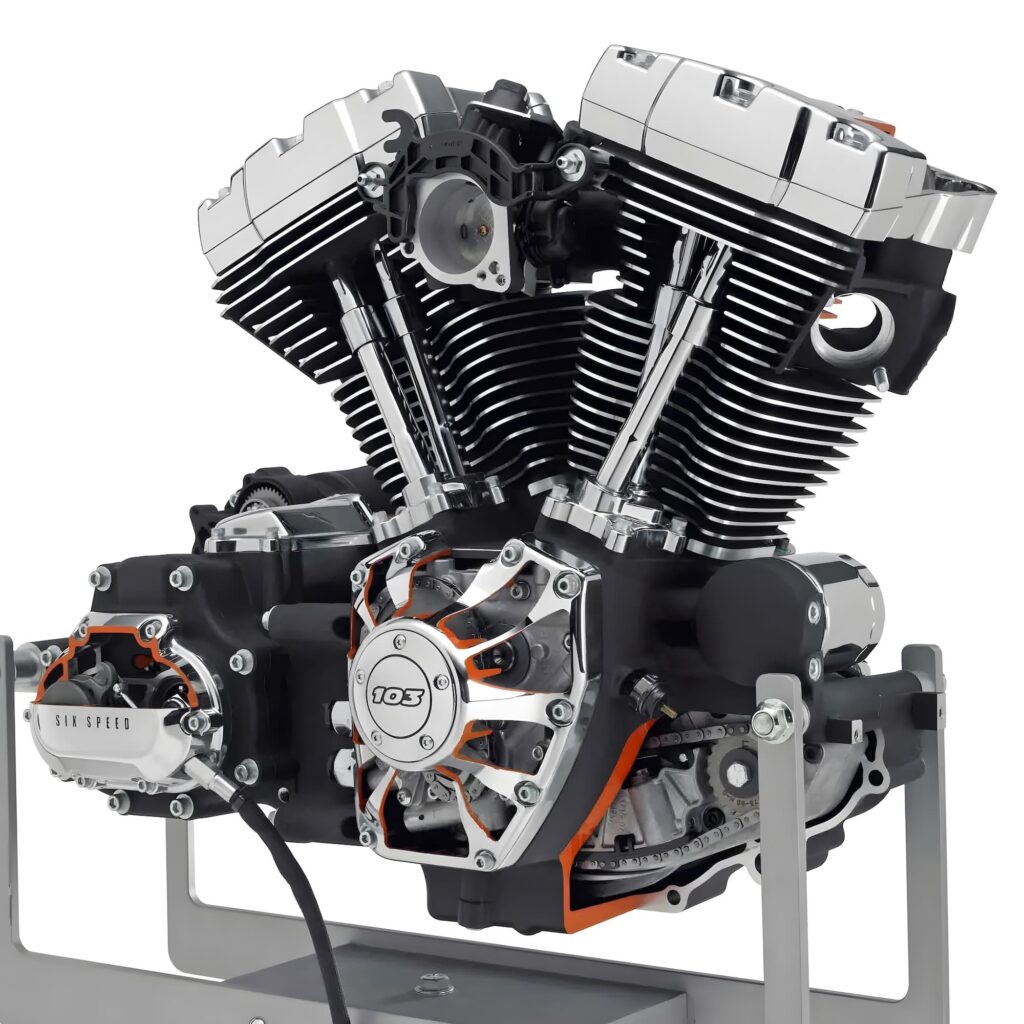
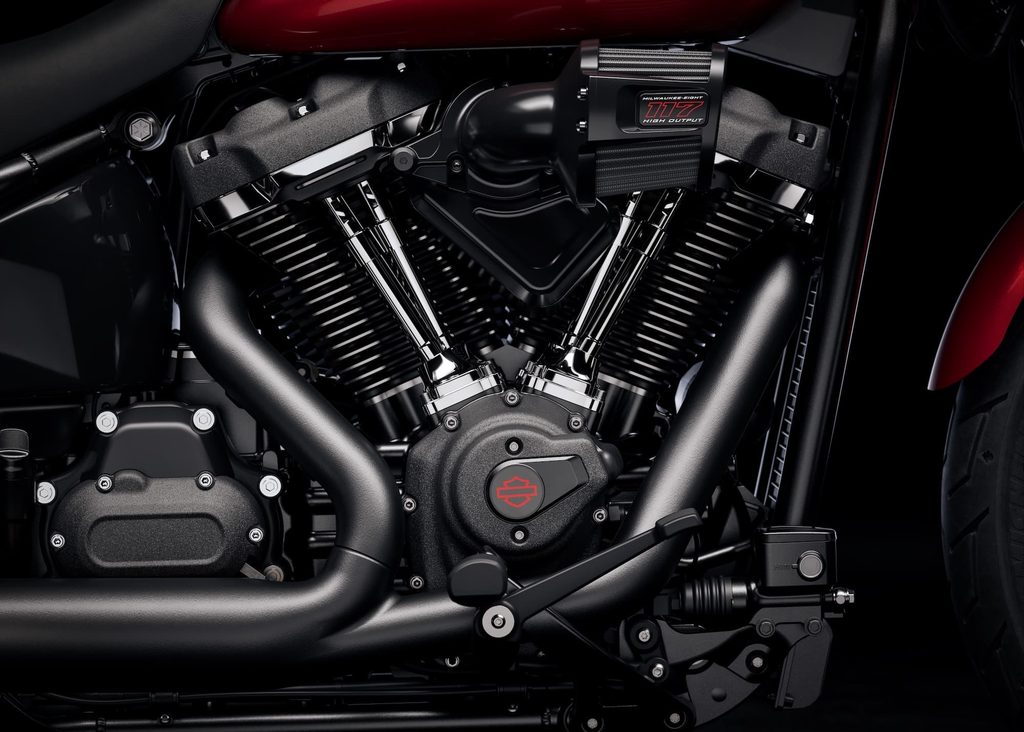
All of the Evolution, Twin Cam and Milwaukee-Eight engines use hydraulic lifters, so there is no scheduled valve-clearance adjustment. That removes one of the expensive services common on large European V-twins. Oil changes, primary and transmission fluid, drive-belt condition, brakes, tyres and normal chassis inspection still matter.
1977-1985 FXS and FXSB Low Rider: The Original
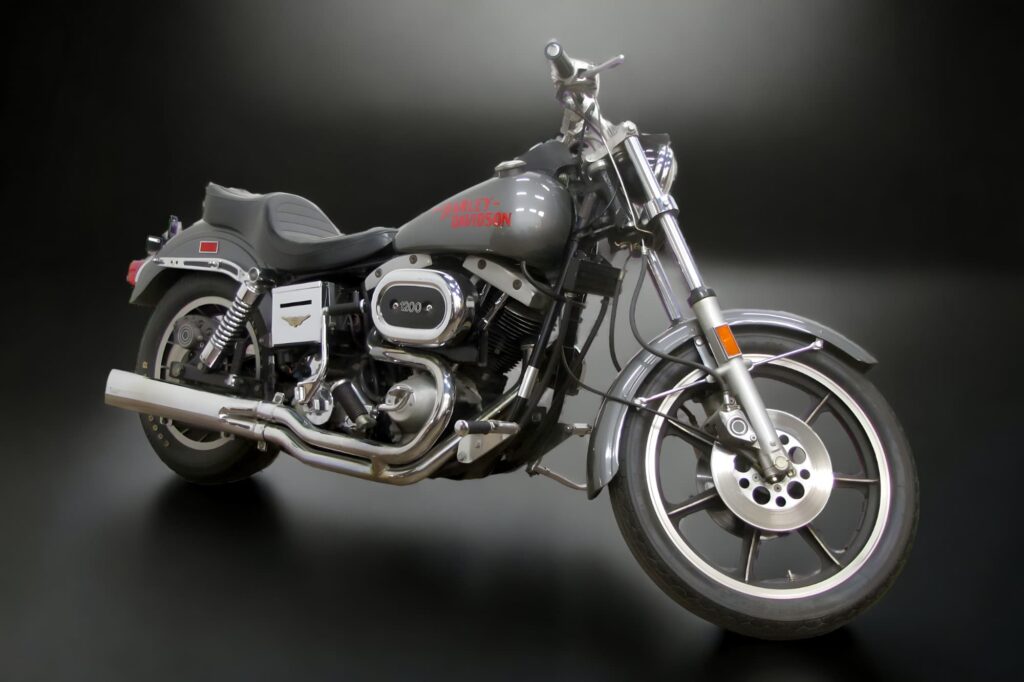
The first Low Rider was the 1977 FXS. Willie G. Davidson’s team took the FX Super Glide idea and made it lower, darker and more complete: a 660 mm (26 in) seat, extended fork, 32-degree rake, alloy wheels, raised white-letter tyres, twin front discs and split Fat Bob tanks with tank-mounted instruments.
It was a factory custom at a time when that phrase still sounded contradictory. Harley says the FXS outsold every other model in its first full year. More important for this guide, the basic recipe is still visible in a 2026 Low Rider: a relatively narrow Big Twin, low seat, mid controls, small front wheel, restrained bodywork and more braking and cornering intent than the cruisers around it.
The early bike used the 1,207 cc (74 cu in) Shovelhead, a four-speed gearbox and chain final drive. Capacity grew to 1,337 cc (80 cu in) for 1979. The FXSB version followed for 1983 and replaced the final chain with a belt, cutting adjustment, lubrication and mess.
These are collector motorcycles now. The question is not whether an FXS is “reliable” in the abstract, but whether this particular example has been rebuilt well, wired properly and left close enough to standard that someone can identify what they are looking at. Many have lived several mechanical lives. Buy documentation and workmanship, not a seller’s promise that old Harleys all mark their territory.
1982-1994 FXR, FXRS and FXLR: The Handling Low Riders
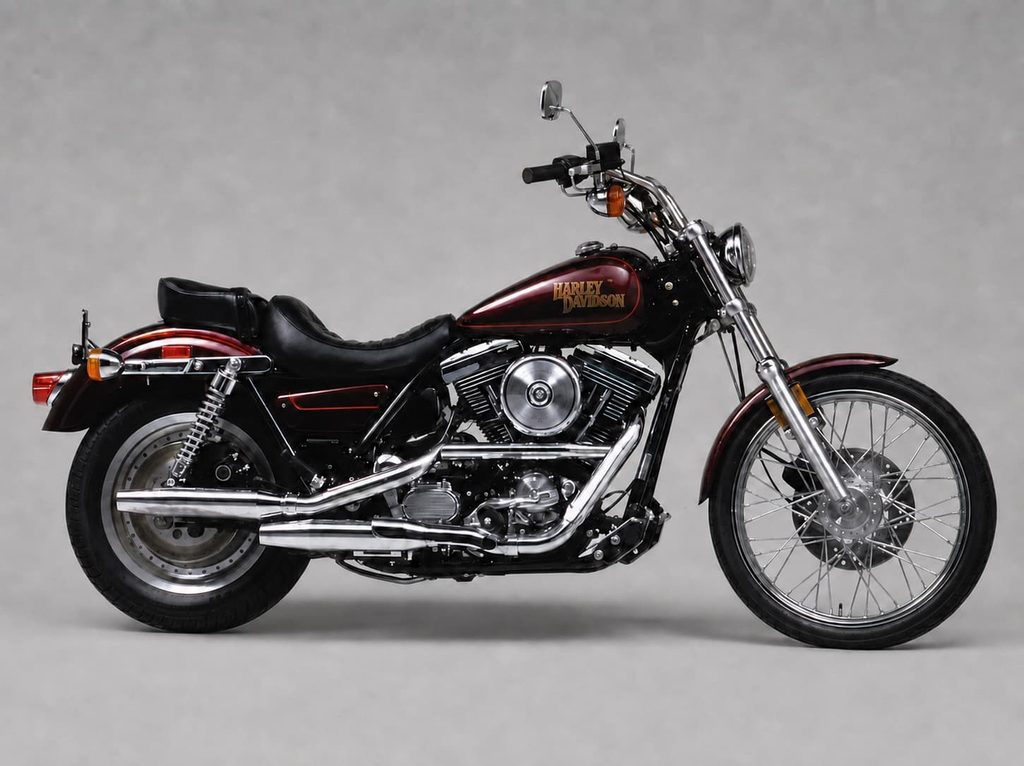
Harley introduced the FXR chassis for 1982, overlapping the last four-speed Low Riders. The new frame had a triangulated backbone, rubber engine mounts and a five-speed transmission. The engine became part of a more rigid, better controlled package without sending all of its vibration into the rider.
Early FXRS bikes used the Shovelhead. The 1,340 cc (80 cu in) Evolution Big Twin arrived for 1984 and brought aluminium heads and cylinders, better oil control and a large improvement in day-to-day dependability. It is the engine most buyers now associate with the FXR Low Riders.
The family included the regular FXRS, the FXRS-SP Low Rider Sport, the FXRS Convertible and the 1987-1994 FXLR Low Rider Custom. Model names and exact availability changed by market, so use the VIN and factory model code when buying rather than trusting a tank badge.
FXR fans prize these bikes because the frame feels compact and tied together. That does not turn a 1980s Harley into a modern naked bike, but it gives the rider clearer steering and better cornering control than the old four-speed chassis. A clean FXRS-SP or FXLR also has a price that reflects its reputation.
Inspect the engine mounts, swingarm area, steering head and frame carefully. Decades of engine swaps, club-style conversions and home fabrication matter more than a small difference between model years. Original tins and hard-to-find FXR-specific parts add value; a modified bike needs to be judged on the quality of the work.
1993-2009 FXDL Dyna Low Rider: Evolution to Twin Cam
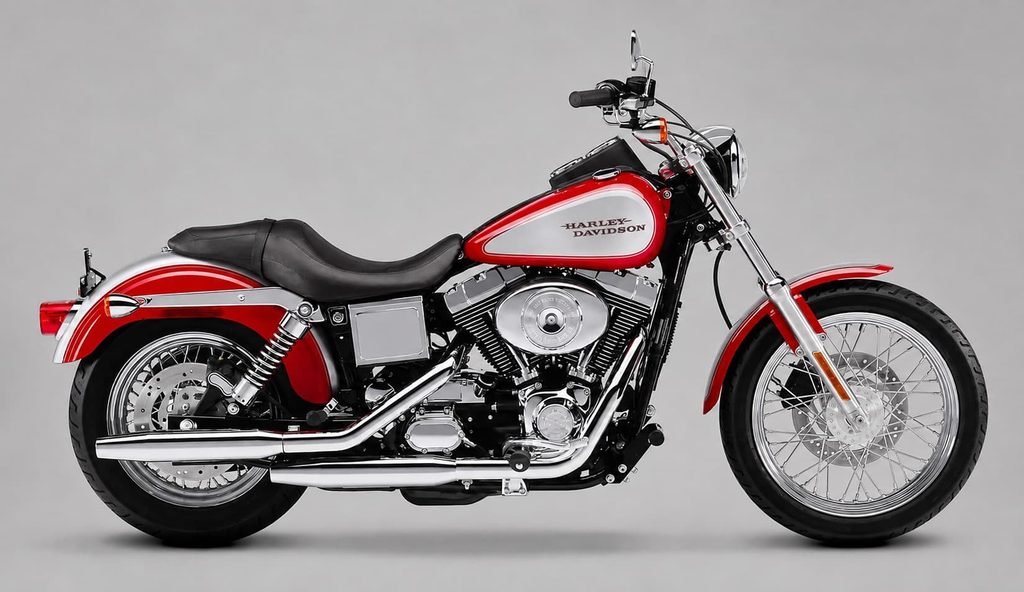
The FXDL Dyna Low Rider arrived for 1993. It kept the visible twin shocks and rubber-mounted engine but used Harley’s newer Dyna frame. The first bikes carried the 1,340 cc Evolution engine and a five-speed gearbox through 1998.
The Twin Cam 88 replaced the Evolution for 1999. Capacity rose to 1,450 cc (88 cu in), and the new engine used two chain-driven camshafts, one for each cylinder. It made more torque and improved cooling and oil circulation, though it also introduced the early Twin Cam’s best-known buying check: the spring-loaded cam-chain tensioner shoes.
On a 1999-2006 bike, ask whether the tensioners have been inspected and what, if anything, was fitted in their place. Wear depends on mileage, oil and parts, so there is no magic odometer reading at which every shoe fails. A documented inspection or hydraulic/gear-drive conversion is worth more than confident shrugging.
Fuel injection was available on the FXDLI from 2004, alongside the carburetted FXDL, and became standard for 2006. The 2006 Dyna also got a revised frame and six-speed Cruise Drive gearbox while keeping the 88 engine. For 2007, Harley fitted the 1,584 cc (96.7 cu in) Twin Cam 96 and hydraulic cam-chain tensioners.
That makes a 2007-2009 FXDL a useful value target: fuel injection, six gears, the later tensioner design and enough torque for relaxed highway use. The regular Low Rider disappeared from most large markets after 2009, though Harley’s own records show Japan-only FXDL models through 2013.
2014-2017 FXDL: The Dyna Returns with the Twin Cam 103
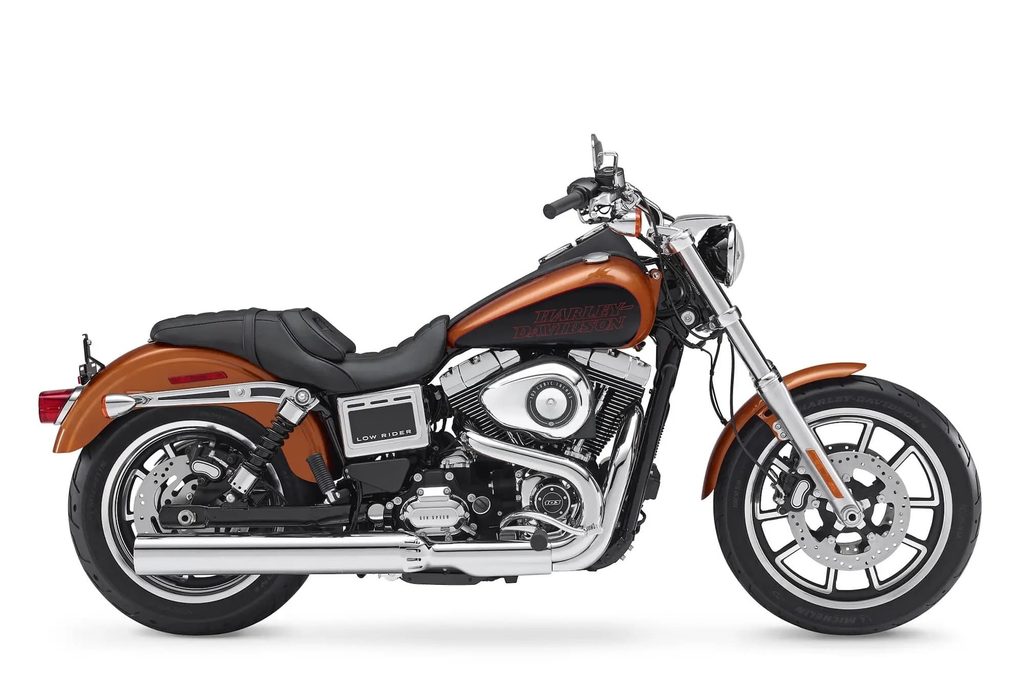
Harley brought the mainstream FXDL back as a mid-year 2014 model. The revival used the rubber-mounted 1,690 cc (103.1 cu in) Twin Cam 103, electronic fuel injection and six-speed transmission. Harley claimed 126 Nm (92 lb-ft) at 3,500 rpm for the launch bike; later US specifications used a different test method and claimed as much as 135 Nm (99.5 lb-ft).
The useful change was fit. A special riser gave the handlebar 61 mm (2.4 in) of adjustment, and a removable seat bolster moved the rider 38 mm (1.5 in) forward. Mid controls and a 680 mm (26.8 in) unladen seat put the bike in the neutral position that first won me over.
Harley also gave it twin 300 mm front discs. That matters on a roughly 315 kg (695 lb) running-order motorcycle: there is more braking capacity and less lever effort than on the single-disc Softail base model that replaced it.
If you want a Dyna to ride rather than collect, this is the easy recommendation. It has the later Twin Cam, proper brakes, injection and good parts support without the FXDLS premium. Check engine mounts, fork seals, steering-head bearings, wheel bearings, belt condition and evidence of competent tuning after intake or exhaust changes.
2016-2017 FXDLS Dyna Low Rider S
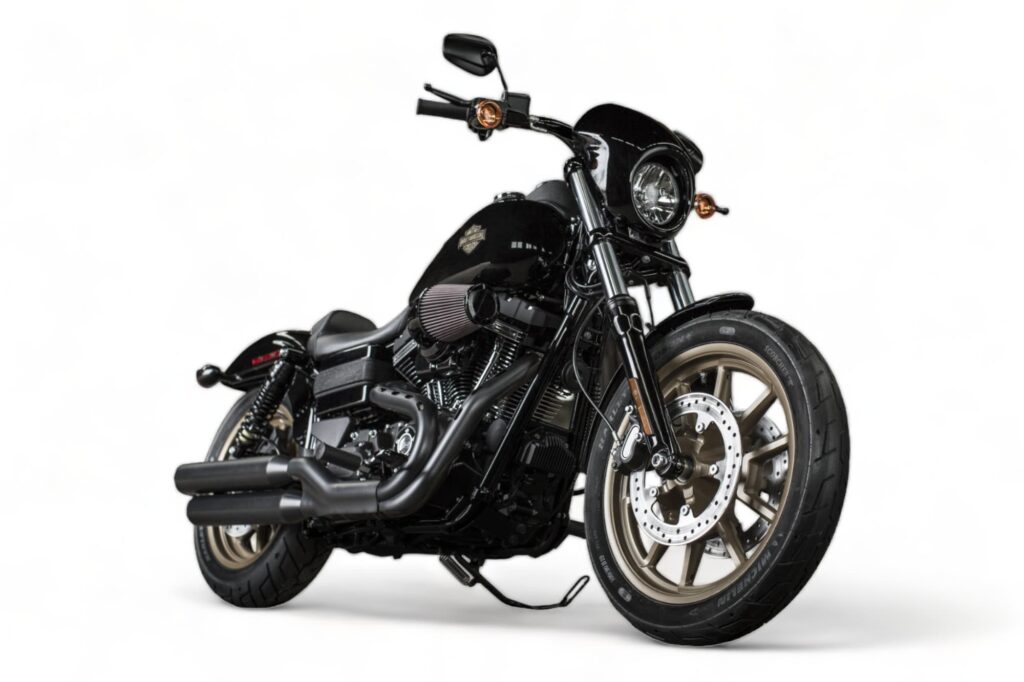
The FXDLS introduced the S badge to the Low Rider line. Its Screamin’ Eagle Twin Cam 110 made a claimed 156 Nm (115 lb-ft) at 3,500 rpm, 13 percent more than the regular Low Rider in Harley’s launch figures. It sent that through a heavy-duty clutch and six-speed gearbox.
The S also had a Heavy Breather intake, 2-into-2 Fat Bob-style exhaust, emulsion rear shocks, a firmer fork, ABS, a small screen and black paint almost everywhere. The result looks like the template Harley later applied to the Softail FXLRS.
This is the Dyna to buy if provenance and collectability matter and the price does not hurt. It was made for only two model years and sits at the end of both the Dyna chassis and Twin Cam eras. It is not automatically a better road buy than a 2022 Softail S; it is a more characterful and scarcer one.
2018-2020 FXLR Softail Low Rider: New Frame, Milwaukee-Eight 107
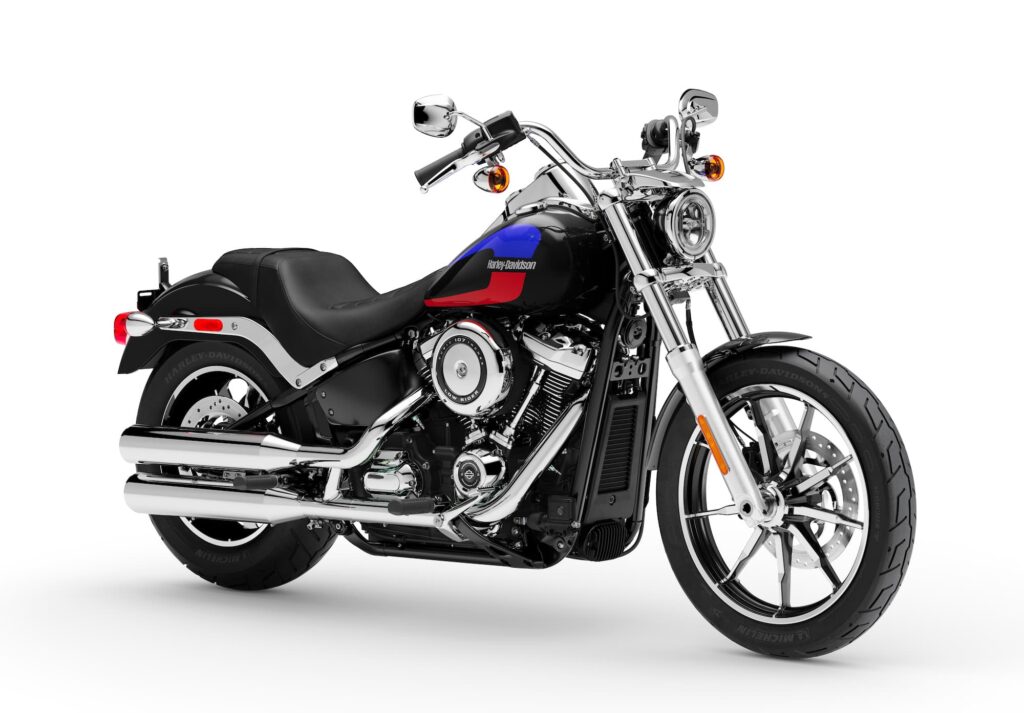
For 2018, Harley folded the Dyna range into a completely redesigned Softail family. The Low Rider became FXLR, with a rigid-mounted, counterbalanced 1,745 cc (107 cu in) Milwaukee-Eight and one monoshock hidden beneath the seat.
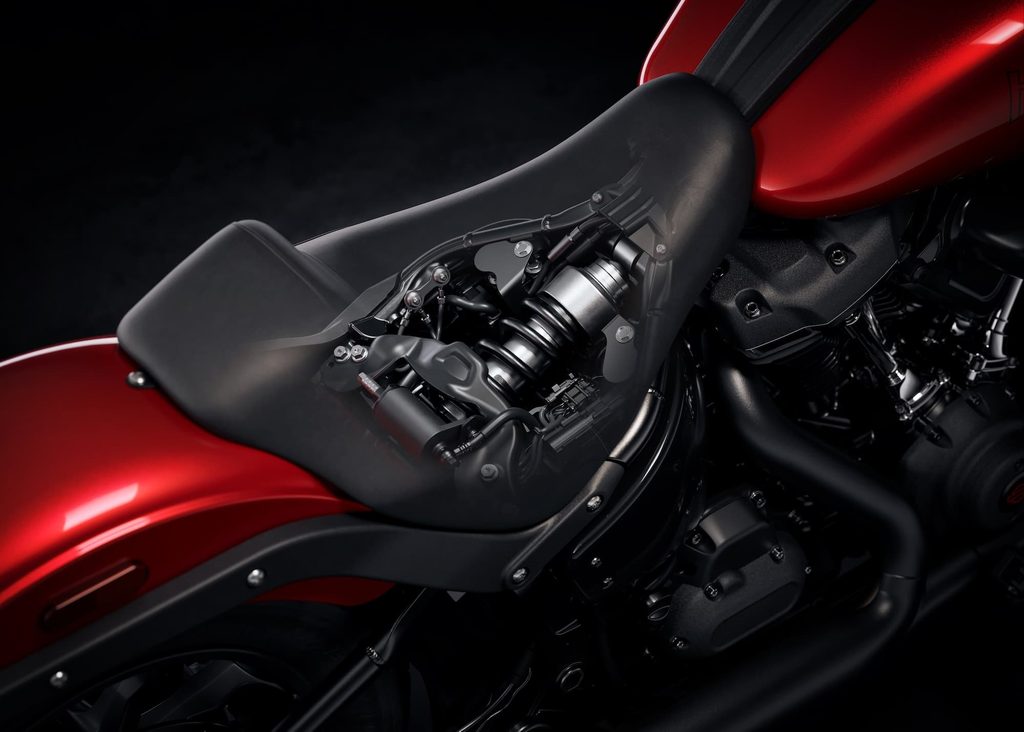
The change upset Dyna loyalists, but it was not a cost-cutting step backwards. Harley made the new chassis much stiffer and cut 17 kg (37 lb) from the Low Rider. The engine’s dual counterbalancers let it contribute to frame rigidity without shaking the rider numb. Steering, suspension control and cornering clearance all improved.
The regular FXLR deliberately looked back to the 1970s, with twin tank gauges, a small headlight nacelle and plenty of chrome. Its conventional fork, single 300 mm front disc and M8 107 make it the relaxed member of the modern family. ABS was optional in some markets and standard in others, so check the actual bike.
Buy the base FXLR if you want the least expensive Milwaukee-Eight Low Rider and prefer chrome to the club-style S. Budget for brake and suspension upgrades only if your riding genuinely needs them; otherwise, buying an S in the first place is usually cleaner.
2020-2021 FXLRS Low Rider S: The 114 Softail Hot Rod
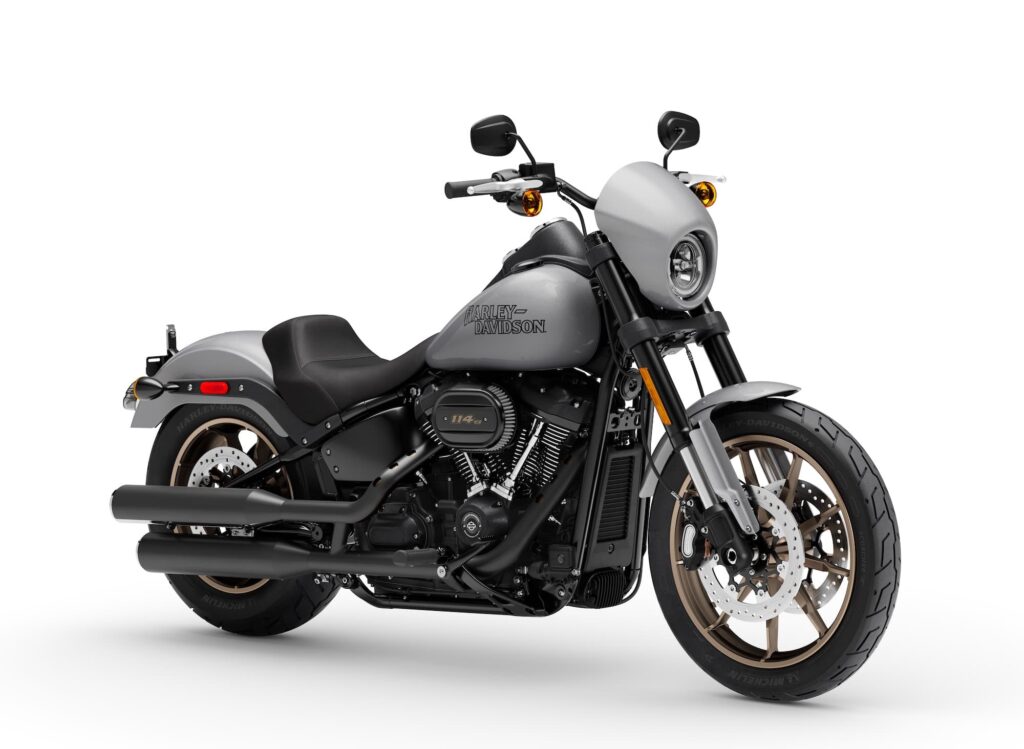
The Softail Low Rider S arrived for 2020 with the 1,868 cc (114 cu in) Milwaukee-Eight. Harley claimed 161 Nm (119 lb-ft) at 3,000 rpm in the US, a useful increase over the base 107 exactly where a road rider opens the throttle to pass.
The chassis changes mattered just as much. Harley reduced rake from 30 to 28 degrees, fitted a 43 mm inverted fork, added twin 300 mm front discs and installed better rear suspension. A moto-style bar on 102 mm (4 in) risers, mid controls, solo seat and small colour-matched screen established the modern Low Rider S position.
The 2020-2021 bike is the best-value modern S when purchase price matters more than having the largest stock engine. It has the main chassis hardware, and 161 Nm is hardly a plea for help. The downsides are the lower rear end and the speedometer/tachometer pair on the fuel tank, which asks you to look down farther than you should.
2022-2024 Low Rider S and Low Rider ST: 117 Power and Taller Suspension
The 2022 update is the modern sweet spot because Harley changed the engine, rear suspension and instruments together. The 1,923 cc (117 cu in) Milwaukee-Eight made 5 percent more torque than the 114, with a claimed 169 Nm (125 lb-ft) at 3,500 rpm.
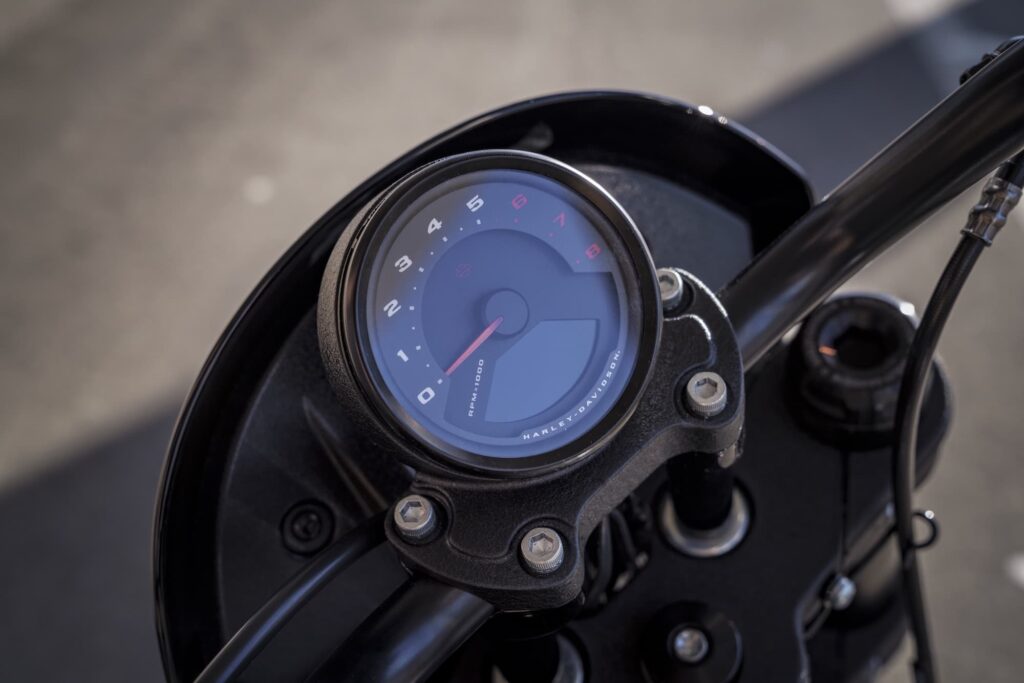
A taller rear monoshock raised the back, added 1.3 degrees of lean angle and improved ride comfort. The handlebar-mounted analogue tachometer with digital speed display moved useful information into the rider’s sightline. The 43 mm inverted fork, twin discs, 19-inch front and 16-inch rear wheels continued.
2022-2024 FXLRST Low Rider ST
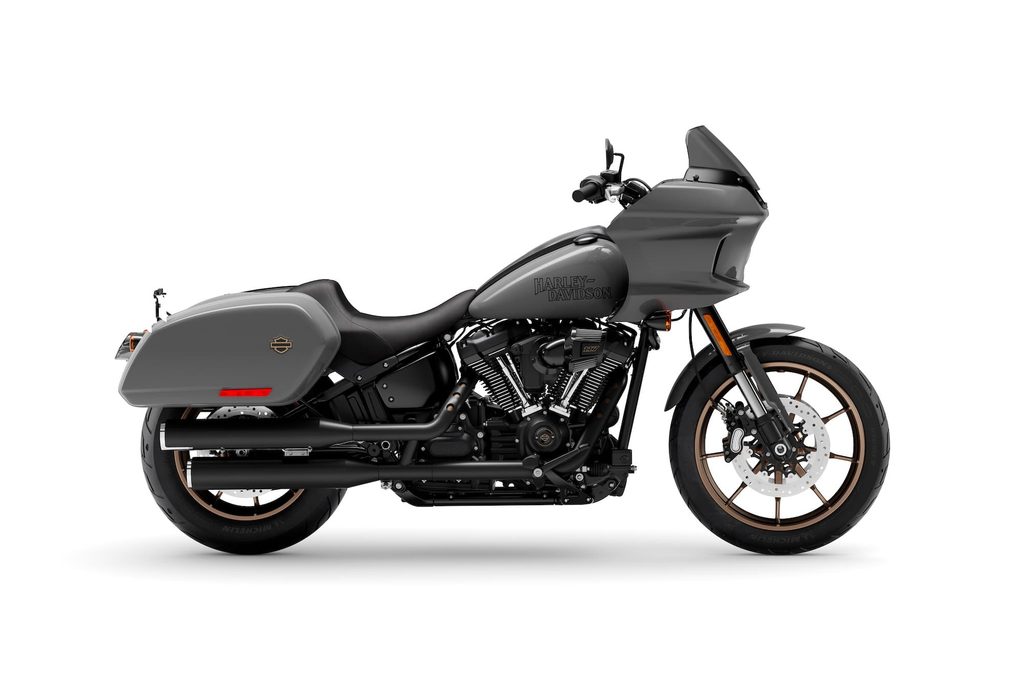
The ST joined the range in March 2022. Underneath, it is a Low Rider S with the same engine, wheels, brakes and suspension. Harley added a frame-mounted fairing inspired by the 1980s FXRT Sport Glide, a taller six-inch screen and two removable hard bags.
Mounting the fairing to the frame keeps its mass and wind load out of the handlebar. The bags sit high enough to preserve cornering clearance, though their combined 57-litre (2 cu ft) capacity is useful rather than enormous. The ST weighs about 19 kg (42 lb) more than the S.
Buy the ST if you do regular freeway or multi-day riding. If the bags will live in your garage and you prefer clean air to looking through turbulence, the S is lighter, cheaper and simpler. The limited 2022 El Diablo, 2023 Fast Johnnie and 2024 Tobacco Fade versions are paint-and-trim collector propositions rather than different mechanical generations.
2025-2026 Low Rider S and ST: 117 High Output and Rider Aids
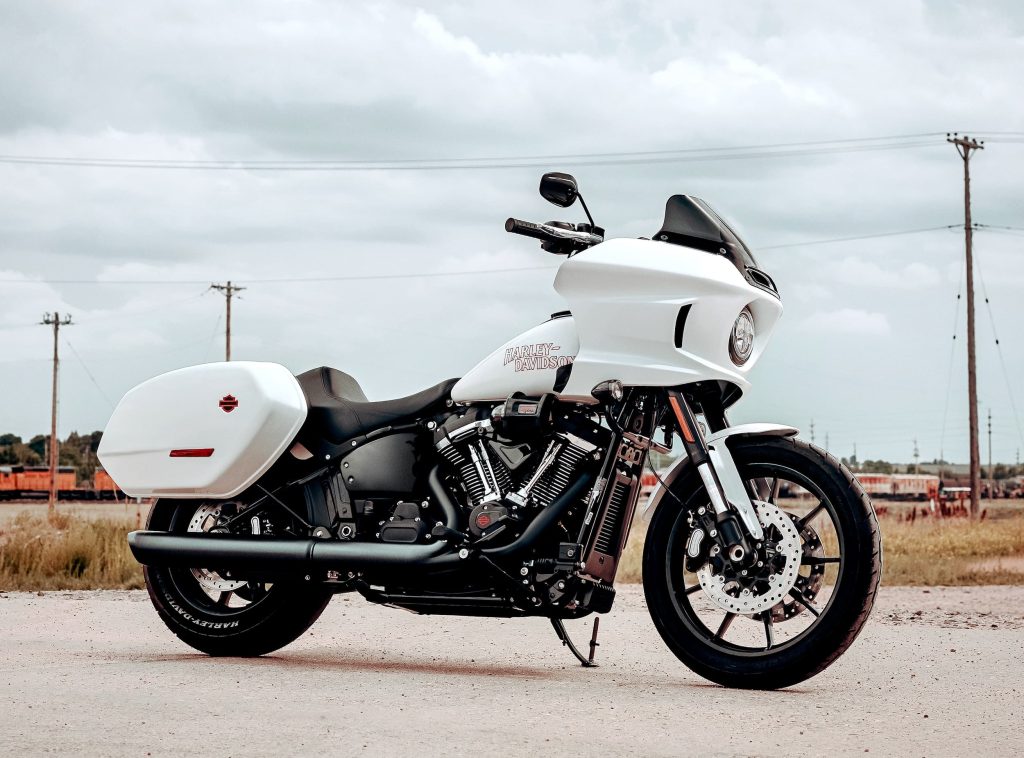
For 2025, Harley turned the 117 into a High Output engine. It makes a claimed 85 kW (114 hp) at 5,000 rpm and 174 Nm (128 lb-ft) at 4,000 rpm. The 2-into-1 exhaust, Heavy Breather intake, more aggressive cam and 5,900 rpm limit give it a stronger middle and top end than the 2022-2024 tune.
The electronics finally caught up with the performance label. Road, Rain and Sport modes alter throttle response and intervention. Cruise control, traction control, drag-torque slip control, tyre-pressure monitoring and cornering-aware ABS and traction control are standard in the US specification. Equipment can differ by market, so confirm the local bike rather than assuming a US brochure applies everywhere.
Harley also fitted full LED lighting, new hand controls, an adjustable front brake lever and USB-C charging. The 2026 bikes carry those changes forward. The S and ST have the same 686 mm (27.0 in) laden seat, 31.3-degree lean angle, 18.9 L (5.0 US gal) tank, 43 mm inverted fork, dual 300 mm front discs and 180/70B16 rear tyre.
| 2026 specification | Low Rider S | Low Rider ST | What the difference means |
|---|---|---|---|
| Engine | 117 H.O.; 85 kW (114 hp); 174 Nm (128 lb-ft) | Same | No performance penalty for choosing the bags and fairing beyond their added mass. |
| Running-order weight | 304 kg (670 lb) | 323 kg (712 lb) | The S is easier to move and change direction; the ST carries 19 kg (42 lb) of touring hardware. |
| Wind protection | Small headlight screen | Frame-mounted fairing and 152 mm (6 in) screen | The ST takes pressure off your chest at freeway speed but can create helmet turbulence depending on rider height. |
| Luggage | None | Lockable removable bags; 57 L (2 cu ft) total | The ST is ready for trips. The S needs aftermarket luggage that may affect its clean tail. |
| Best use | Urban riding, back roads, short trips | Fast commuting, highway and multi-day rides | Choose based on what you do most weeks, not the trip you take once a year. |
Low Rider Reliability and Used-Bike Inspection
Condition and modifications decide more than the badge. Low Riders invite exhausts, intakes, cams, big-bore kits, bars and suspension work. A stock-looking bike with service records is easier to assess than a high-dollar build with no receipts and a tuner nobody can identify.
- Confirm the model code and year. Tank badges, paint and bolt-on parts move between bikes. Check the VIN and engine number, especially on FXR and early Dyna examples.
- Ask who tuned it. An intake and exhaust can make an air-cooled Harley run poorly if the fuelling was ignored. Cold starting, steady low-speed running and hot restart behaviour tell you more than loud idle.
- Inspect early Twin Cam tensioners. On 1999-2006 bikes, look for a dated inspection or documented update. Do not accept “they all do that” as a maintenance record.
- Check engine mounts and chassis bearings. Worn Dyna/FXR rubber mounts, steering-head bearings, swingarm bearings and wheel bearings can make a fundamentally good chassis feel vague.
- Check the belt and pulleys. Stones, incorrect tension and poor wheel alignment damage belts. Replacement is not a roadside chain-link job.
- Look for corner and stunt damage. Bar ends, levers, pegs, exhaust, primary cover, fork stops and rear fender tell the story. Tall-bar performance Harleys do get used enthusiastically.
- Test every electronic aid. On 2025-on bikes, cycle ride modes, cruise control, TPMS and warning lights. Confirm outstanding recalls by VIN in the country where the bike is registered.
- Budget for tyres and brakes. These are heavy, torquey motorcycles. Old tyres with plenty of tread are still old tyres, and a worn 180-section rear is not cheap.
Harley’s normal service pattern on recent bikes starts at 1,600 km (1,000 miles) and then runs in 8,000 km (5,000 mile) increments, with additional inspections at specified intervals. Use the manual for the exact model year; fluid types and inspection items change across a line this old.
Low Rider vs Other Sporty Harley-Davidsons
The Low Rider is the sporty Harley for someone who still wants the traditional air-cooled Big Twin experience, a neutral mid-control position and useful fuel range. Harley has made faster, more radical and more touring-focused bikes, but each gives something up to get there.
Harley-Davidson Fat Bob 114
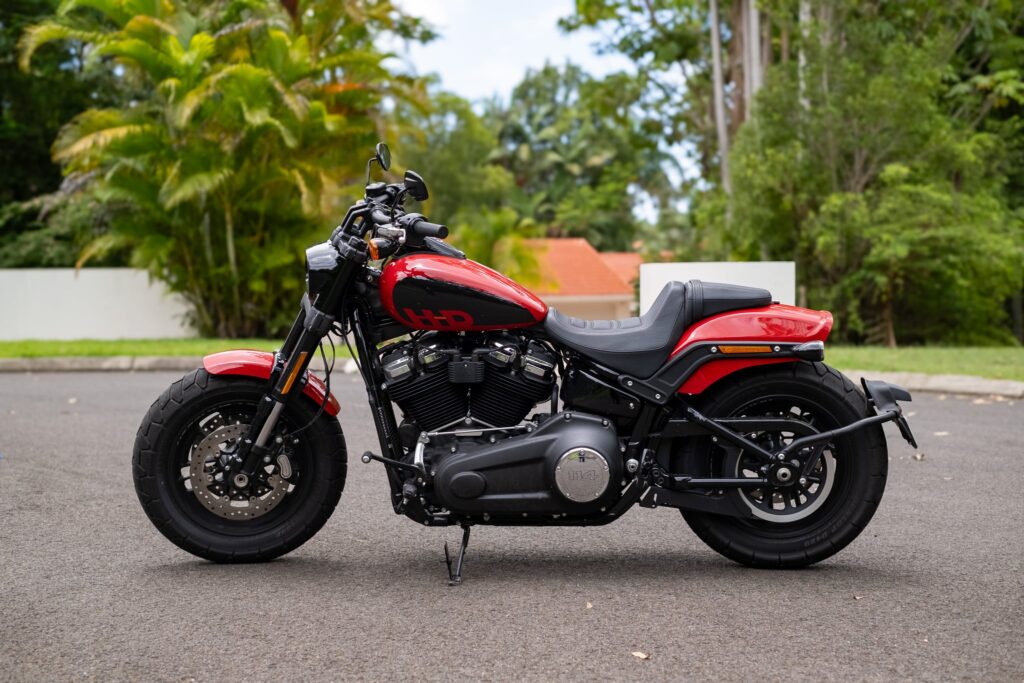
The Fat Bob is the closest same-era alternative. The Softail FXFBS has the M8 114, inverted fork and dual front discs, but uses forward controls, a very wide 150-section front tyre and a smaller 13.6 L (3.6 US gal) tank. It feels muscular and stable, but the Low Rider S gives you a more natural position for loading the front tyre and better range. Read the Fat Bob buyer’s guide or my Fat Bob 114 ride review for the longer version.
Harley-Davidson FXDR 114
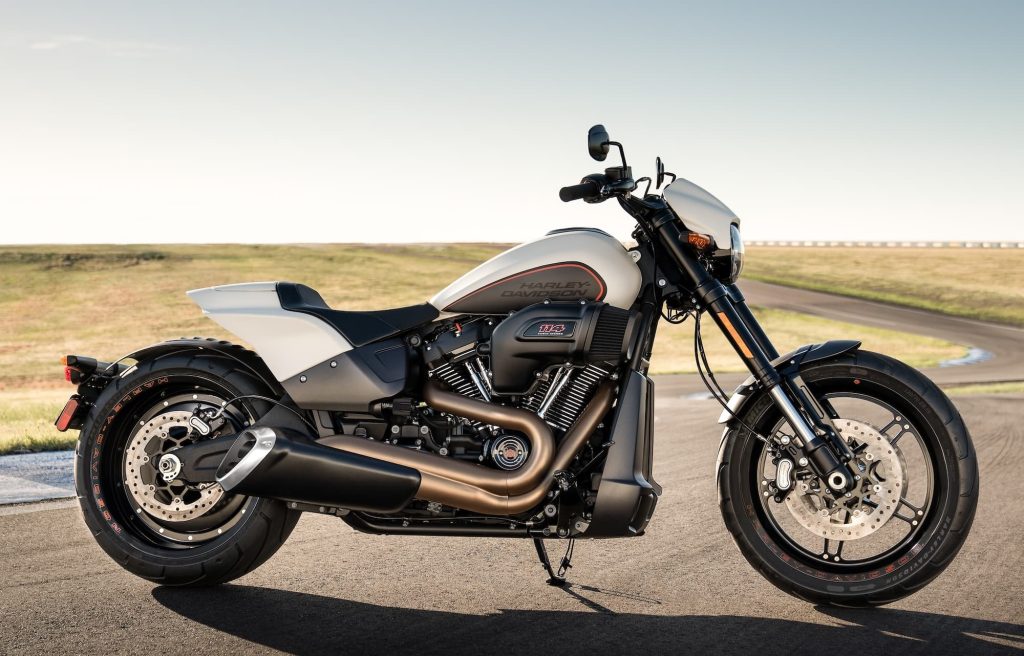
The 2019-2020 FXDR put the M8 114 into a long, low power-cruiser chassis with a 240-section rear tyre, forward controls and solo-tail bodywork. It looks and launches harder than the Low Rider, but the long wheelbase and big rear tyre resist quick direction changes. Buy the FXDR because you want an FXDR; buy the Low Rider to cover more kinds of road.
Harley-Davidson Night Rod Special

The VRSCDX Night Rod Special uses the liquid-cooled 60-degree Revolution V-twin, with about 92 kW (125 hp) and 111 Nm (82 lb-ft) from the later 1,247 cc engine. It makes its performance higher in the rev range and feels smoother than any air-cooled Low Rider. Its forward controls, five-speed gearbox and 240-section rear tyre make it a power cruiser, not an all-round roadster. See the full V-Rod model history and my Night Rod ride review.
Harley-Davidson Street Bob
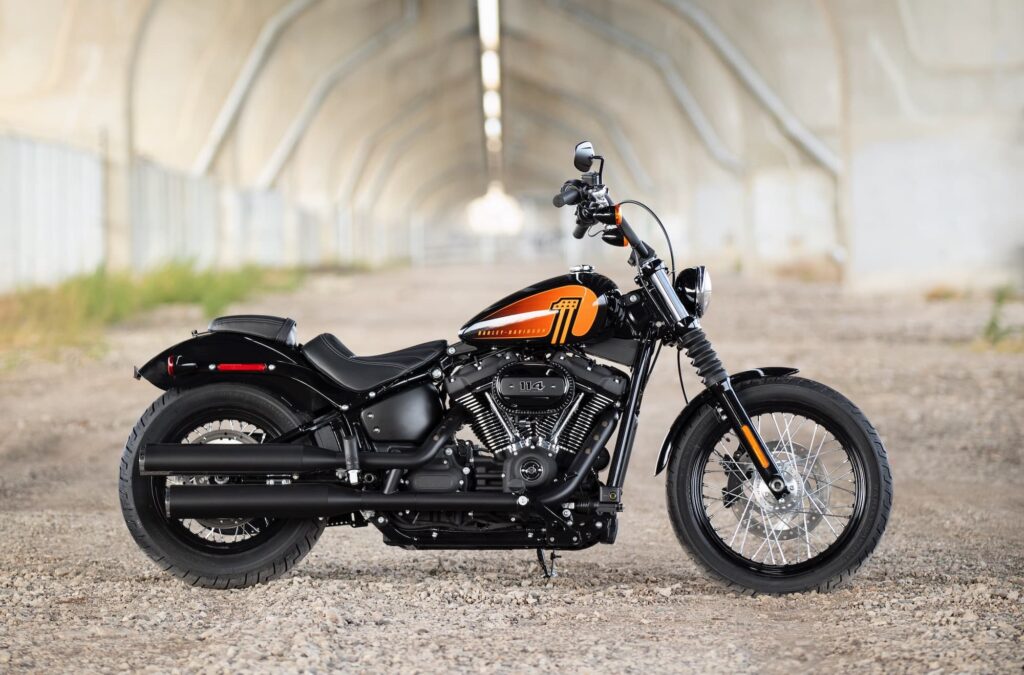
The Street Bob is the simpler, cheaper route to a mid-control Softail. A 2021-2024 FXBBS has the M8 114; the 2025-on version moved to the 117 Classic. It is lighter and deliberately bare, with a single front disc and no meaningful wind protection. Choose it if you want a canvas to modify. The Low Rider S costs more because the fork, brakes, tank, wheels, seating and engine tune are already closer to the finished performance build.
Harley-Davidson Sportster S
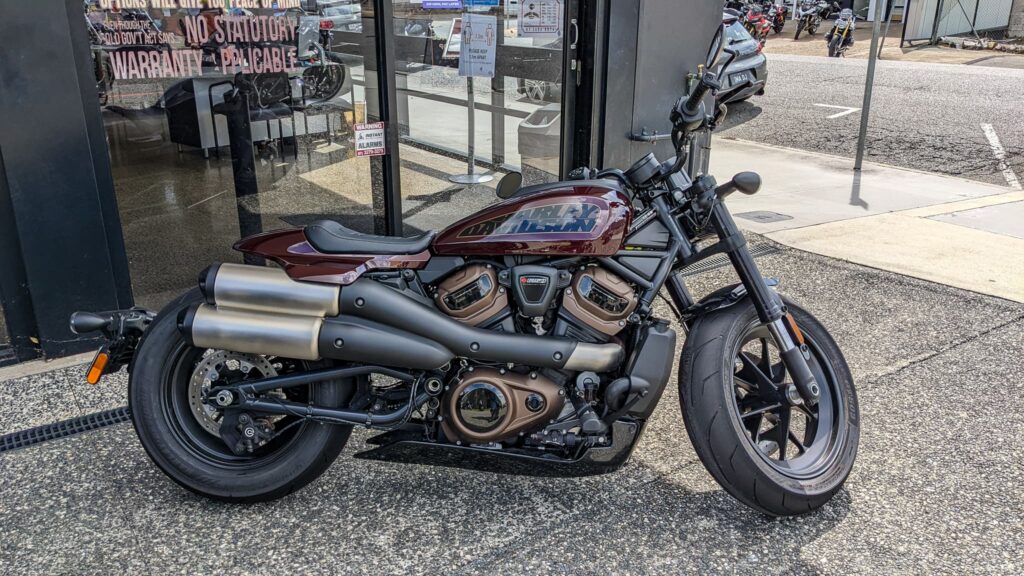
The Sportster S is the performance choice if the traditional Big Twin formula is optional. Its liquid-cooled 1,252 cc Revolution Max engine makes 90 kW (121 hp), and the bike weighs about 228 kg (503 lb) ready to ride. It accelerates, revs and changes direction in a different league. The trade is a shorter, firmer rear suspension, default forward controls, less fuel capacity and less of the lazy low-rev Harley feel. My Sportster S review explains why I enjoyed it without wanting to own it.
The older 2018-2021 FLSB Sport Glide also sits near the Low Rider ST. It has detachable bags and a small fairing around a softer M8 107 package, with forward controls and one front disc. It is the calmer touring choice; the ST has the engine, brakes, suspension and riding position for someone who still wants to attack a back road after unpacking.
Which Harley-Davidson Low Rider Should You Buy?
| Your priority | Low Rider to look for | Why |
|---|---|---|
| Original collector bike | 1977 FXS in documented, near-standard condition | It started the line. Condition and provenance matter far more than performance. |
| Classic handling and character | Evolution-powered FXRS/FXLR, especially FXRS-SP | The FXR frame has the enthusiast following; the Evo is easier to live with than a Shovelhead. |
| Affordable Dyna | 2007-2009 FXDL | Injection, six speeds, Twin Cam 96 and later cam-chain tensioners without late-Dyna prices. |
| Easiest regular Dyna | 2014-2017 FXDL | Twin Cam 103, dual discs, adjustable ergonomics and good parts availability. |
| Most desirable factory Dyna | 2016-2017 FXDLS | Twin Cam 110, two-year production run and the first S specification. |
| Cheapest modern Softail | 2018-2020 FXLR | The new frame and M8 engine without the S premium; best for a relaxed rider. |
| Best-value modern S | 2020-2021 FXLRS | It already has the 114, inverted fork and twin discs. Accept the lower rear and tank-mounted gauges. |
| Best overall used buy | 2022-2024 FXLRS | The 117, tall rear suspension and handlebar gauge fix the main limitations without current-bike pricing. |
| Best for trips | 2022-on FXLRST | The frame-mounted fairing and hard bags work, and the underlying bike is still an S. |
| Strongest stock Low Rider | 2025-on FXLRS/FXLRST | The 117 H.O. pulls harder up top and the rider-aid package is much more complete. |
My choice is the 2022-2024 Low Rider S. It keeps the air-cooled engine and simple analogue presentation I want, but has the chassis, brakes and riding position to use its torque properly. I would buy the ST only if I expected to use the bags and fairing every month, not because it looks like the more expensive one.
The 2025-on bike is objectively stronger and safer. If you are buying new, there is no reason to hunt for an unused 2024 unless the discount is meaningful. If you are buying used, the earlier 117 gets you nearly all of the physical motorcycle for less money and with fewer electronic systems.
And if what you really want is the shake, visible twin shocks and slight sense that the chassis and engine are negotiating with each other, buy the best Dyna you can inspect properly. The Softail is the better tool. The Dyna is the one some riders will keep thinking about after they have admitted that.
Related reading: Compare the Low Rider with the Harley-Davidson Breakout, see the other unusual Harleys worth knowing, or read how motorcycle camshafts and valve trains work.